Author: Bismillah

  • CMS 379 – FINANCIAL STATEMENT OF DEBTOR

    CMS 379 – FINANCIAL STATEMENT OF DEBTOR

    CMSFORM.ORGCMS 379 – FINANCIAL STATEMENT OF DEBTOR – In the intricate world of finance, understanding the intricacies of a debtor’s financial statement is akin to deciphering a cryptic code that holds the key to their fiscal health. CMS 379 delves deep into this crucial aspect, shedding light on the dark corners of debtors’ financial positions and unravelling the mysteries hidden within balance sheets and income statements. Imagine peering through a magnifying glass at figures that seem to dance and weave a narrative of triumphs and setbacks, successes and struggles. In this article, we embark on an enlightening journey into the heart of financial transparency, where numbers speak louder than words and paint a vivid picture of an entity’s monetary past, present, and future. Join us as we explore the captivating world of debtor financial statements – where every digit tells a story waiting to be told.

    Download CMS 379 – FINANCIAL STATEMENT OF DEBTOR

    [su_table responsive=”yes”]

    Form Number CMS 379
    Form Title FINANCIAL STATEMENT OF DEBTOR
    Published 2007-07-01
    O.M.B. 0938-0270
    File Size 181 KB

    [/su_table]

    [download id=’1421′]

    What is a CMS 379?

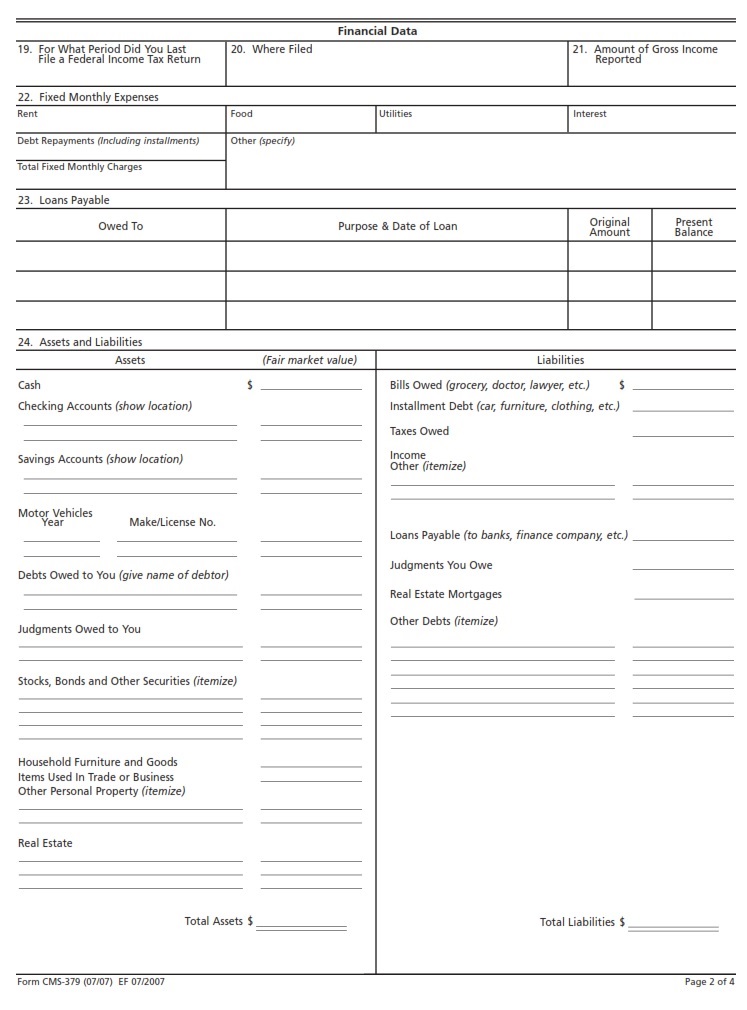
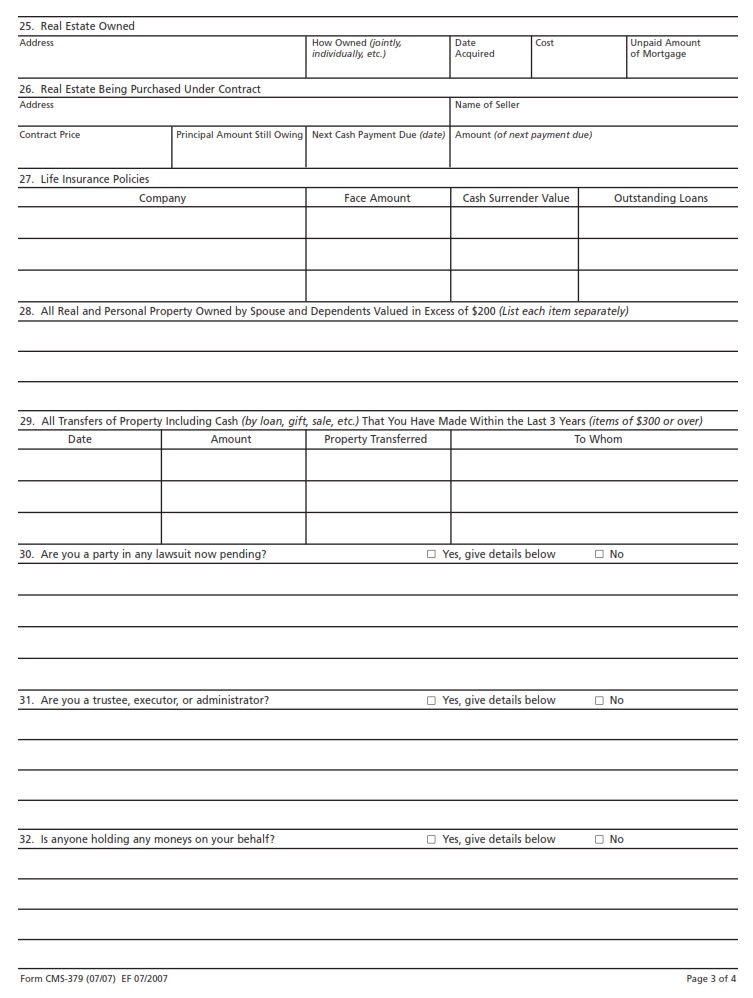
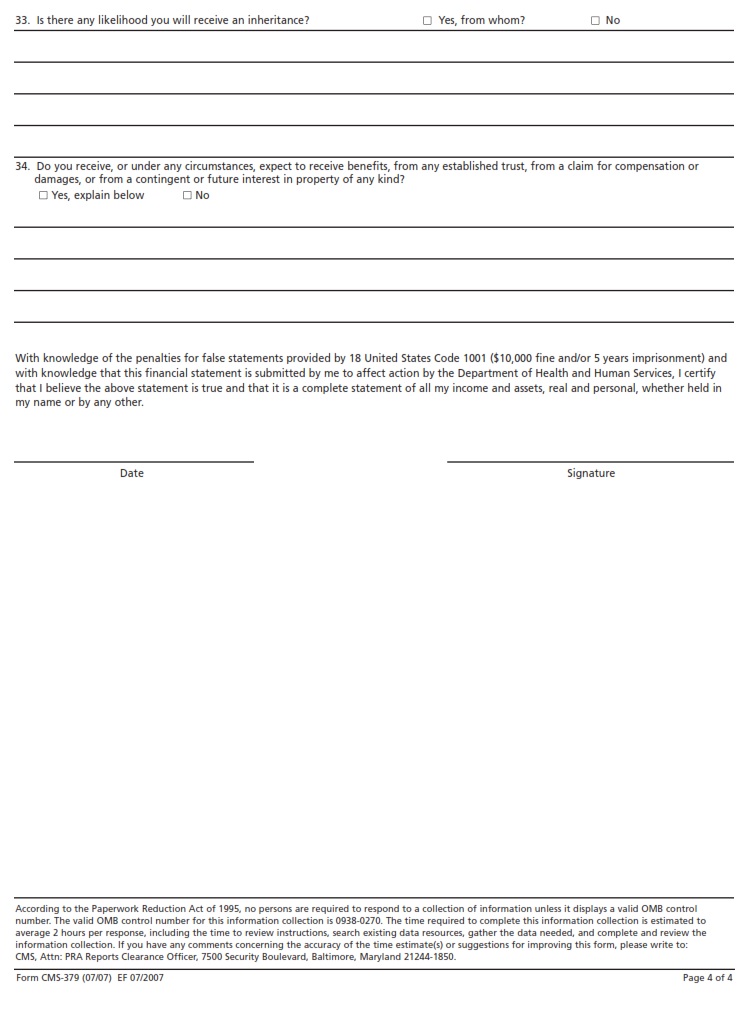
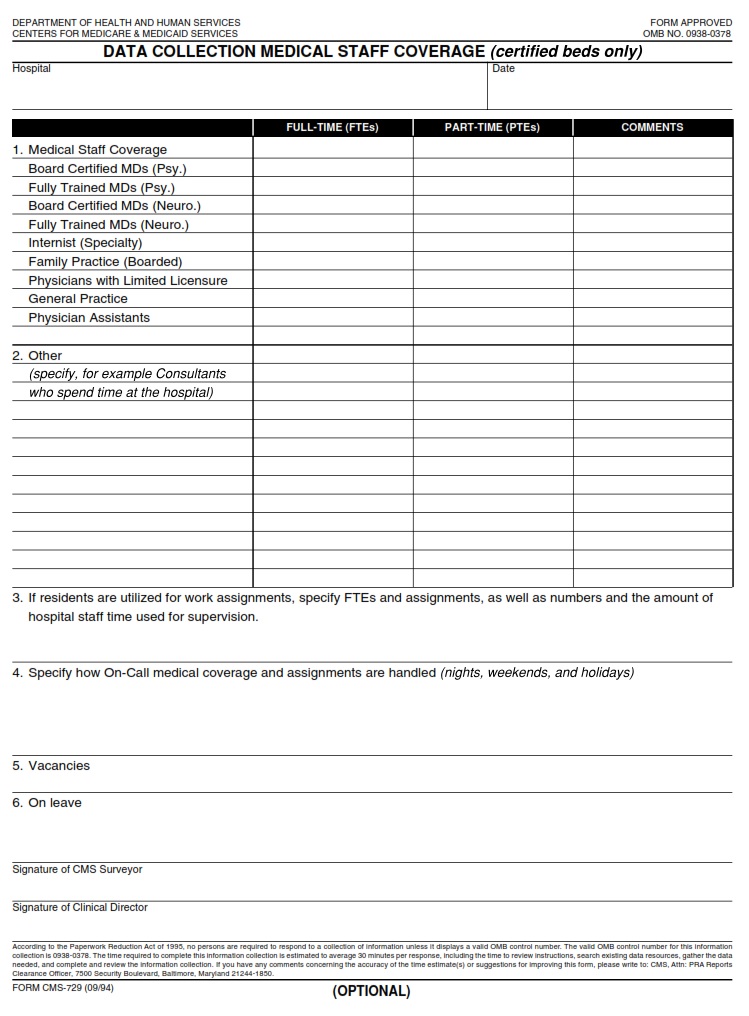
    A CMS 379 form, also known as the Financial Statement of Debtor, serves as a crucial document in the realm of debt management and financial reporting. This form plays a significant role in providing creditors with detailed information about the financial status of a debtor, aiding in assessing their ability to repay debts. By requiring debtors to disclose their income, expenses, assets, and liabilities, the CMS 379 form offers a comprehensive view of an individual or entity’s financial health.

    Moreover, the completion of a CMS 379 form is not just an administrative task but a strategic move for debtors to showcase transparency and commitment towards managing their financial obligations. With accurate and precise information provided on this form, debtors can establish credibility with creditors and improve their chances of negotiating favorable terms for repayment. Ultimately, understanding the significance and implications of the CMS 379 form is essential for debtors navigating through challenging financial circumstances and seeking to regain stability in their monetary affairs.

    Where Can I Find a CMS 379?

    You might be wondering where you can find a CMS 379 form for your financial statement needs. The process of locating this specific form can vary depending on your jurisdiction or the type of debt involved. In most cases, you can obtain the CMS 379 form directly from the relevant government agency responsible for overseeing debt collection processes.

    Another option is to check with legal or financial professionals who specialize in debt-related matters, as they may have access to the necessary forms and expertise to assist you. Additionally, online resources and websites dedicated to debt management and financial statements may also provide downloadable versions of the CMS 379 form for easy access and convenience. Whether through official channels or professional assistance, obtaining a CMS 379 form should not be too challenging if you know where to look.

    CMS 379 – FINANCIAL STATEMENT OF DEBTOR

    Understanding the financial statement of a debtor is crucial for creditors to assess the creditworthiness and repayment capability of an individual or entity. This document provides a detailed snapshot of the debtor’s financial health, including their assets, liabilities, income, and expenses. By analyzing this information, creditors can make informed decisions about extending credit or pursuing debt collection actions.

    One key aspect of the financial statement is examining the debt-to-income ratio of the debtor. This ratio reflects how much of the debtor’s income goes towards servicing existing debts and helps creditors gauge their ability to take on additional debt or fulfill current obligations. Additionally, scrutinizing the types of debts listed on the financial statement can reveal patterns in spending habits and financial management skills.

    By delving into the intricate details presented in a debtor’s financial statement, creditors can gain valuable insights into their repayment behavior and overall financial stability. This analysis enables creditors to tailor their approach when working with debtors to find mutually beneficial solutions that align with both parties’ interests. Transparency and communication are key components in navigating debtor-creditor relationships effectively while safeguarding against potential risks associated with lending money or providing goods/services on credit terms.

    CMS 379 Example
    CMS 379 - Page 1 CMS 379 - Page 2 CMS 379 - Page 3 CMS 379 - Page 4

  • CMS 633 – Invoice of Fees for FOIA Services

    CMS 633 – Invoice of Fees for FOIA Services

    CMSFORM.ORGCMS 633 – Invoice of Fees for FOIA Services – In the realm of government transparency and accountability, the Freedom of Information Act (FOIA) stands as a powerful tool for citizens seeking access to public records. Within this framework, CMS 633 – Invoice of Fees for FOIA Services emerges as a vital document that bridges the gap between information seekers and agencies tasked with fulfilling their requests. Delving into the complexities of cost assessments and service charges associated with FOIA requests, this article sheds light on the financial aspect of accessing governmental information—an often overlooked facet that plays a crucial role in upholding the principles of open governance.

    As we navigate through the intricate layers of bureaucracy surrounding FOIA services, understanding how fees are calculated and allocated becomes essential for both requesters and agency officials alike. Unveiling the nuances behind CMS 633 not only demystifies the billing process but also prompts us to reflect on the true value of transparency in our democratic society. Join us on this enlightening journey as we explore the intersection of fiscal responsibility and informational freedom within the realm of government disclosure.

    Download CMS 633 – Invoice of Fees for FOIA Services

    [su_table responsive=”yes”]

    Form Number CMS 633
    Form Title Invoice of Fees for FOIA Services
    Published 2008-01-01
    O.M.B.
    File Size 38 KB

    [/su_table]

    [download id=’1422′]

    What is a CMS 633?

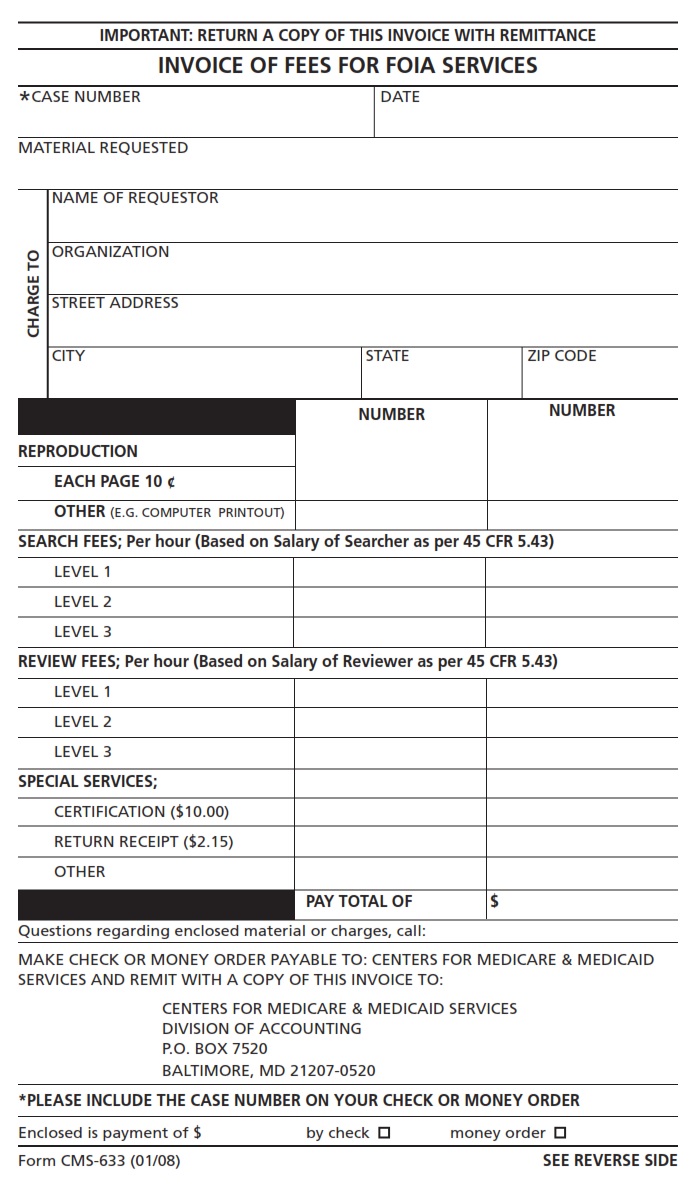
    CMS 633 is a crucial document that outlines the fees associated with Freedom of Information Act (FOIA) services. This invoice plays a significant role in maintaining transparency and accountability within government agencies by detailing the costs incurred for processing FOIA requests. By clearly delineating the charges for services rendered, CMS 633 ensures that both requestors and agencies are aware of the financial implications involved in accessing public information.

    Understanding the intricacies of CMS 633 is essential for navigating the FOIA process effectively. Requestors must carefully review this document to comprehend the breakdown of fees and make informed decisions regarding their requests. Moreover, government agencies rely on CMS 633 to accurately assess and recover costs related to providing access to requested information. Ultimately, CMS 633 serves as a key component in promoting open governance and facilitating access to public records through transparent fee structures.

    Where Can I Find a CMS 633?

    Finding a CMS 633 form for requesting invoices of fees for FOIA services can sometimes feel like searching for a needle in a haystack. However, fear not, as there are several reliable sources where you can obtain this essential document. One option is to visit the official website of the U.S. Department of Justice, where they provide a downloadable version of the CMS 633 form that you can easily access and fill out online.

    Another avenue to explore is contacting your local government agency or FOIA office directly and requesting a copy of the CMS 633 form. Many agencies have dedicated personnel who can assist you with obtaining the necessary paperwork and guiding you through the process. Additionally, some third-party websites specializing in government forms also offer the CMS 633 form for download, providing another convenient option for those in need of this specific document. By exploring these various channels, you can quickly locate a CMS 633 form and proceed with your request for invoice information related to FOIA services.

    CMS 633 – Invoice of Fees for FOIA Services

    CMS 633 – Invoice of Fees for FOIA Services is a crucial document in the realm of government transparency and accountability. This invoice serves as a detailed account of the fees associated with processing Freedom of Information Act (FOIA) requests, shedding light on the costs involved in accessing public records. Beyond just being a billing statement, this document symbolizes the delicate balance between citizen’s right to information and the administrative burden on government agencies.

    The CMS 633 invoice embodies the complexities inherent in implementing FOIA regulations. It highlights the challenges faced by government departments in managing and fulfilling requests for information within limited resources. Moreover, this document underscores the need for efficient systems and processes to ensure timely responses to FOIA inquiries while maintaining fiscal responsibility. Ultimately, understanding the nuances embedded within an Invoice of Fees for FOIA Services can offer valuable insights into the intersection of transparency, governance, and public access to information.

    CMS 633 Example

    CMS 633 - Page 1 CMS 633 - Page 2

  • CMS 10124 – EXPEDITED REVIEW NOTICE-DETAILED EXPLANATION OF NON-COVERAGE (English)

    CMS 10124 – EXPEDITED REVIEW NOTICE-DETAILED EXPLANATION OF NON-COVERAGE (English)

    CMSFORM.ORGCMS 10124 – EXPEDITED REVIEW NOTICE-DETAILED EXPLANATION OF NON-COVERAGE (English) – In the world of healthcare, navigating the complex realm of insurance coverage and reimbursement can often feel like deciphering a cryptic code. Enter CMS 10124 – an expedited review notice that holds the key to understanding why certain medical services may not be covered by your insurance provider. In this detailed explanation of non-coverage, we unravel the enigmatic language used in these notifications and shed light on the reasons behind denied claims. Join us on a journey through the intricacies of healthcare policy as we demystify the process and empower you with knowledge to advocate for your health and financial well-being. Whether you’ve received one of these notices yourself or simply wish to gain a deeper understanding of insurance protocols, this article will equip you with valuable insights to navigate the system with confidence and clarity.

    Download CMS 10124 – EXPEDITED REVIEW NOTICE-DETAILED EXPLANATION OF NON-COVERAGE(English)

    [su_table responsive=”yes”]

    Form Number CMS 10124
    Form Title EXPEDITED REVIEW NOTICE-DETAILED EXPLANATION OF NON-COVERAGE (English)
    Published 2008-02-29
    O.M.B. 0938-0953
    File Size 12 KB

    [/su_table]

    [download id=’1423′]

    What is a CMS 10124?

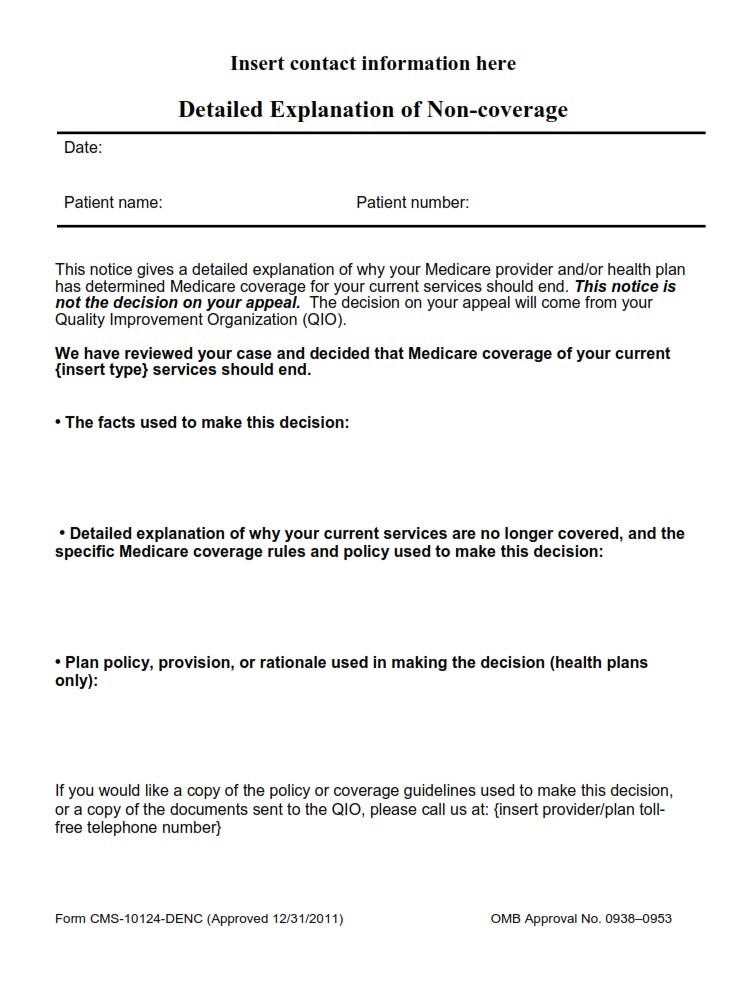
    A CMS 10124 form, also known as an Expedited Review Notice with a Detailed Explanation of Non-Coverage, plays a crucial role in the healthcare industry. This document is designed to inform patients about services or treatments that may not be covered by their insurance provider. Through this form, individuals can gain clarity on what specific medical procedures or expenses are not eligible for reimbursement, allowing them to make informed decisions regarding their healthcare needs.

    It is essential for patients to thoroughly review the details provided in the CMS 10124 form to understand the implications of non-coverage. By being aware of potential limitations in insurance coverage, individuals can explore alternative options or discuss adjustments with their healthcare providers to ensure proper care and financial planning. Ultimately, the transparency offered through the CMS 10124 form empowers patients to take control of their health journey and make informed choices that align with their financial well-being and medical needs.

    Where Can I Find a CMS 10124?

    While searching for a CMS 10124 form can be a little challenging, there are specific avenues you can explore to locate it. One option is to visit the official website of the Centers for Medicare & Medicaid Services (CMS), where you may find a downloadable version of the form. Additionally, reaching out to your healthcare provider or insurance company could lead you to the right resources for obtaining this document.

    Another approach is to connect with patient advocacy organizations or support groups related to your medical condition. These organizations often provide valuable guidance on navigating the healthcare system and accessing necessary forms like the CMS 10124. Don’t hesitate to leverage these community resources in your search and take advantage of their expertise in dealing with healthcare bureaucracy.

    CMS 10124 – EXPEDITED REVIEW NOTICE-DETAILED EXPLANATION OF NON-COVERAGE(English)

    CMS 10124 – EXPEDITED REVIEW NOTICE-DETAILED EXPLANATION OF NON-COVERAGE is a crucial document that plays a significant role in the healthcare system. It aims to provide detailed explanations to beneficiaries about why certain services or treatments may not be covered under their Medicare plan. This notice serves as a valuable tool for ensuring transparency and clarity in communication between patients and healthcare providers, helping individuals make informed decisions regarding their healthcare options.

    By offering a clear and concise explanation of non-covered services, CMS 10124 empowers beneficiaries to better understand the limitations of their coverage and explore alternative options if needed. It also encourages proactive communication between providers and patients, fostering trust and collaboration in the decision-making process. Ultimately, this document not only helps manage expectations but also promotes accountability within the healthcare industry, ultimately leading to improved patient outcomes and satisfaction.

    CMS 10124 Example

    CMS 10124

  • CMS 10124 – EXPEDITED REVIEW NOTICE-DETAILED EXPLANATION OF NON-COVERAGE (Spanish)

    CMS 10124 – EXPEDITED REVIEW NOTICE-DETAILED EXPLANATION OF NON-COVERAGE (Spanish)

    CMSFORM.ORGCMS 10124 – EXPEDITED REVIEW NOTICE-DETAILED EXPLANATION OF NON-COVERAGE (Spanish) – Have you ever received a notice from the Centers for Medicare & Medicaid Services (CMS) that left you scratching your head in confusion? If so, you’re not alone. The CMS 10124 – Expedited Review Notice is one such document that often sparks anxiety and uncertainty among Medicare beneficiaries. In this detailed explanation of non-coverage, we delve into the complexities of this notice, unraveling its jargon and shedding light on what it means for your healthcare coverage. So grab a cup of coffee, settle into your favorite chair, and let’s embark on a journey to demystify the intricacies of CMS regulations and policies.

    Navigating the world of healthcare can feel like traversing a maze without a map, especially when faced with bureaucratic communications like the CMS 10124 notice. But fear not! As we break down the key components of this document in plain language, you’ll gain valuable insights into why certain services may be deemed non-covered by Medicare. From understanding eligibility criteria to exploring alternative coverage options, our guide aims to empower you to make informed decisions about your health and well-being. So join us as we unravel the mystery behind CMS 10124 – because knowledge is power when it comes to navigating the complexities of healthcare bureaucracy.

    Download CMS 10124 – EXPEDITED REVIEW NOTICE-DETAILED EXPLANATION OF NON-COVERAGE (Spanish)

    [su_table responsive=”yes”]

    Form Number CMS 10124
    Form Title EXPEDITED REVIEW NOTICE-DETAILED EXPLANATION OF NON-COVERAGE (Spanish)
    Published 2008-02-29
    O.M.B. 0938-0953
    File Size 54 KB

    [/su_table]

    [download id=’1424′]

    What is a CMS 10124?

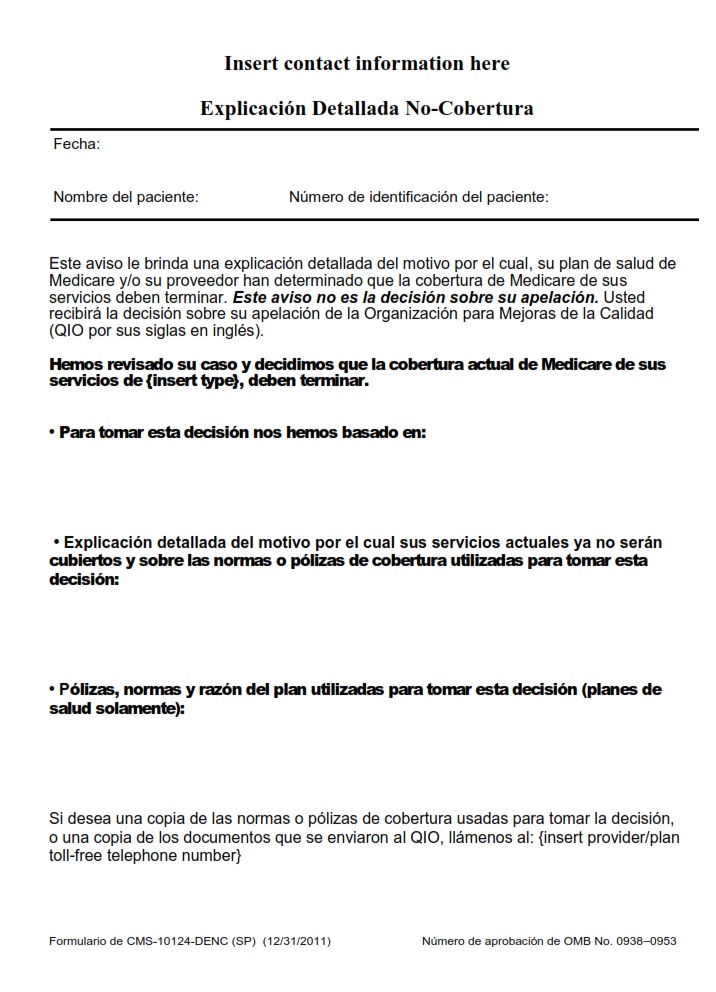
    A CMS 10124 form, often referred to as an Expedited Review Notice, serves as a detailed explanation of non-coverage for specific healthcare services or procedures. This notice is typically issued by the Centers for Medicare & Medicaid Services (CMS) to inform patients about the reasons why their requested service or treatment may not be covered under their insurance plan. Understanding this form is crucial for patients in navigating their healthcare options and potential financial responsibilities.

    Receiving a CMS 10124 notice can be unsettling for patients, as it signifies a denial of coverage for a particular medical service. It is important for individuals to carefully review the information provided in the notice, as it outlines the specific reasons and regulations that led to the non-coverage decision. By being informed and proactive in understanding these details, patients can seek alternatives or appeal decisions when necessary. In essence, while receiving a CMS 10124 notice may initially be perceived as a setback, it also presents an opportunity for individuals to engage with their healthcare providers and insurance companies to explore other options available.

    Where Can I Find a CMS 10124?

    When searching for a CMS 10124 form, it’s essential to consider various avenues. One of the primary sources to obtain this form is through the Centers for Medicare & Medicaid Services website. By visiting their online platform, individuals can access and download the required document directly. Additionally, contacting your healthcare provider or insurance company can also be fruitful in obtaining a copy of the CMS 10124 form.

    Another approach worth exploring is reaching out to local healthcare facilities or government offices that deal with Medicare and Medicaid services. These institutions often have copies of the CMS 10124 form readily available for distribution. Moreover, utilizing online forums or communities related to healthcare and insurance topics might connect you with individuals who have valuable insights on where to find this specific document. In essence, by being proactive and leveraging various resources, locating a CMS 10124 form can become more manageable and efficient for those in need of it.

    CMS 10124 – EXPEDITED REVIEW NOTICE-DETAILED EXPLANATION OF NON-COVERAGE

    When receiving the CMS 10124 – Expedited Review Notice with a Detailed Explanation of non-coverage, it’s essential to understand the implications and the next steps to take. This notice signifies that specific medical services or procedures may not be covered by your insurance plan due to various reasons. It is crucial to carefully review the detailed explanation provided in the notice to comprehend why coverage was denied and whether any alternatives exist.

    An expedited review usually means that time is of the essence, prompting quick actions from your end if you wish to appeal or seek further clarification. It’s crucial not to delay in responding or seeking assistance from your healthcare provider or insurance company to address any discrepancies or explore potential solutions. Understanding your rights and options in such situations can help navigate through complex coverage issues effectively and ultimately ensure access to necessary medical care while minimizing financial burdens.

    CMS 10124 Example

    CMS 10124 (Spanish)

  • CMS 10123 – EXPEDITED REVIEW NOTICE-NOTICE OF MEDICARE PROVIDER NON-COVERAGE (Spanish)

    CMS 10123 – EXPEDITED REVIEW NOTICE-NOTICE OF MEDICARE PROVIDER NON-COVERAGE (Spanish)

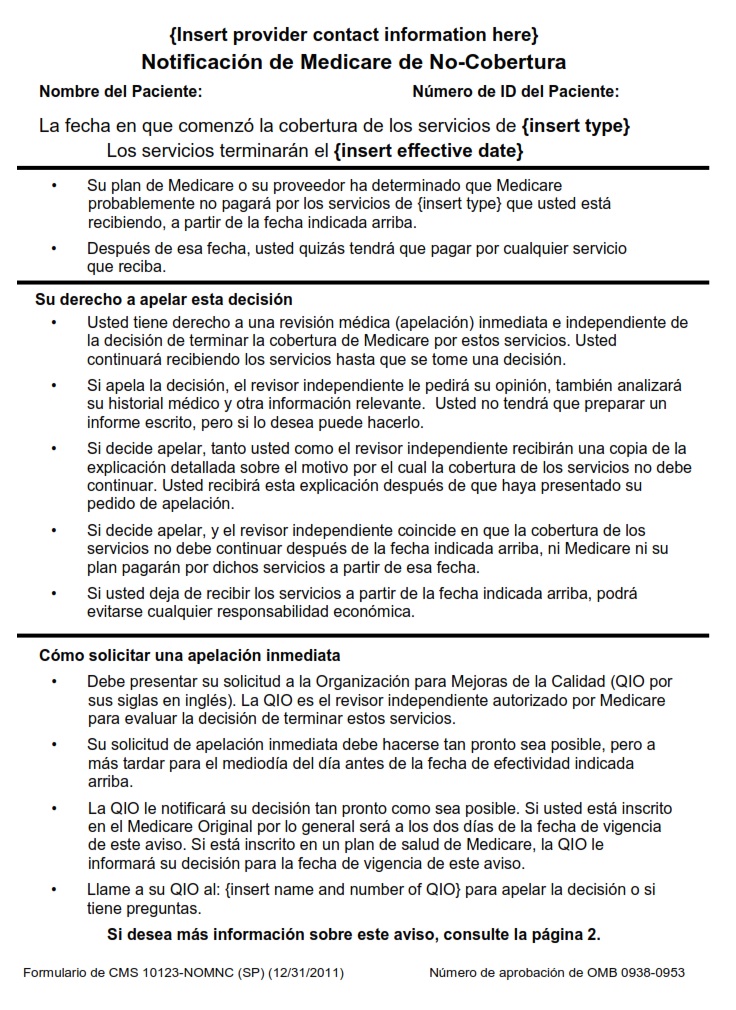
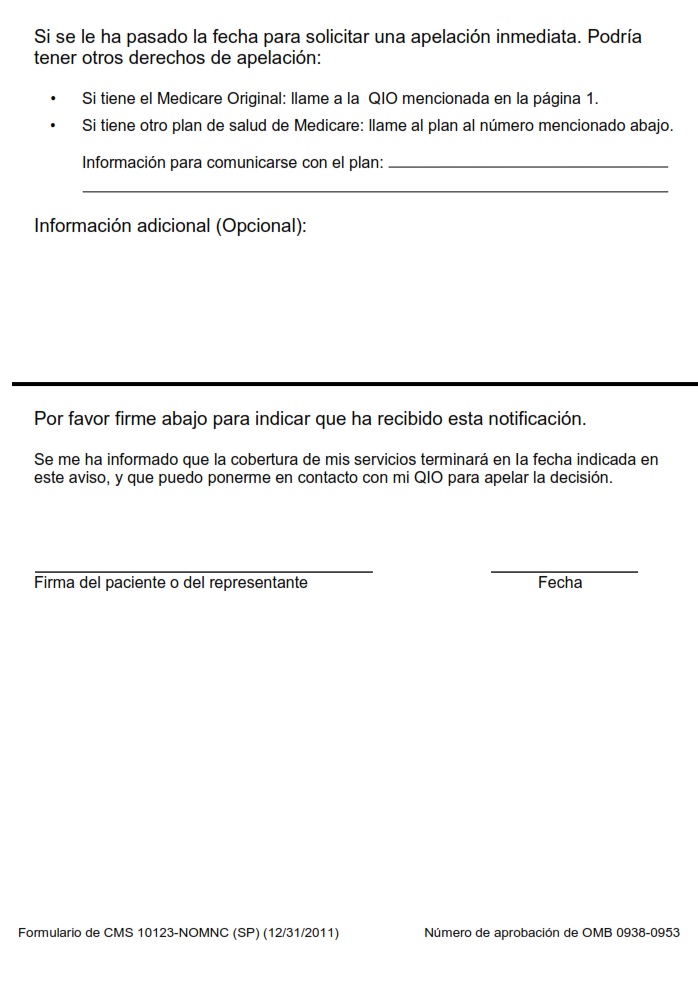
    CMSFORM.ORGCMS 10123 – EXPEDITED REVIEW NOTICE-NOTICE OF MEDICARE PROVIDER NON-COVERAGE (Spanish) – CMS 10123, also known as the Notice of Medicare Provider Non-Coverage, plays a crucial role in ensuring transparency and clarity in healthcare services. This form serves as a communication tool between Medicare providers and beneficiaries, outlining services that may not be covered by Medicare. By promptly providing this information, CMS can expedite the review process and help beneficiaries make informed decisions about their healthcare options.

    Understanding the significance of CMS 10123 is essential for both providers and patients to navigate the complex world of healthcare regulations effectively. As part of promoting patient-centered care, this notice empowers individuals to advocate for themselves when it comes to accessing appropriate medical treatments. By embracing the principles behind CMS 10123, stakeholders in the healthcare industry can work towards enhancing transparency, quality of care, and patient satisfaction across various healthcare settings.

    Download CMS 10123 – EXPEDITED REVIEW NOTICE-NOTICE OF MEDICARE PROVIDER NON-COVERAGE

    [su_table responsive=”yes”]

    Form Number CMS 10123
    Form Title EXPEDITED REVIEW NOTICE-NOTICE OF MEDICARE PROVIDER NON-COVERAGE (Spanish)
    Published 2008-02-29
    O.M.B. 0938-0953
    File Size 24 KB

    [/su_table]

    [download id=’1425′]

    Where Can I Find a CMS 10123?

    The search for a CMS 10123 form can sometimes feel like a daunting task, especially for those in need of urgent Medicare provider non-coverage notification. When looking for this specific document, it’s crucial to turn to reputable sources such as the official Medicare website or reach out directly to your healthcare provider for assistance. Additionally, some online platforms specializing in healthcare documentation may offer downloadable versions of the CMS 10123 form.

    For individuals navigating the complexities of Medicare provider non-coverage issues, having access to the correct forms like CMS 10123 is essential in ensuring a smooth process. While it may require some effort and persistence to locate this specific document, being proactive in seeking out reliable resources will ultimately help expedite the review process. Remember that staying informed about your rights and responsibilities when it comes to Medicare coverage is key in advocating for your healthcare needs effectively.

    CMS 10123 Example

    CMS 10123 - Page 1 (Spanish) CMS 10123 - Page 2 (Spanish)

  • CMS 36 – CONSENT FOR HOME VISIT (English)

    CMS 36 – CONSENT FOR HOME VISIT (English)

    CMSFORM.ORGCMS 36 – CONSENT FOR HOME VISIT (English) – Imagine the comfort of knowing that medical professionals are just a doorstep away, ready to provide personalized care in the comfort of your own home. The CMS 36 – Consent for Home Visit form opens the door to a new era of healthcare, where patients can receive comprehensive services without ever stepping foot outside. This revolutionary approach brings healthcare directly to the patient’s doorstep, offering a seamless blend of convenience and quality care. In this article, we will delve into the intricacies of CMS 36, exploring its significance in transforming traditional medical practices and revolutionizing the way we think about healthcare delivery. Join us on a journey through the evolution of home visits and discover how this simple form is shaping the future of patient-centered care.

    Download CMS 36 – CONSENT FOR HOME VISIT (English)

    [su_table responsive=”yes”]

    Form Number CMS 36
    Form Title CONSENT FOR HOME VISIT (English)
    Published 1990-12-01
    O.M.B.
    File Size 425 KB

    [/su_table]

    [download id=’1426′]

    What is a CMS 36?

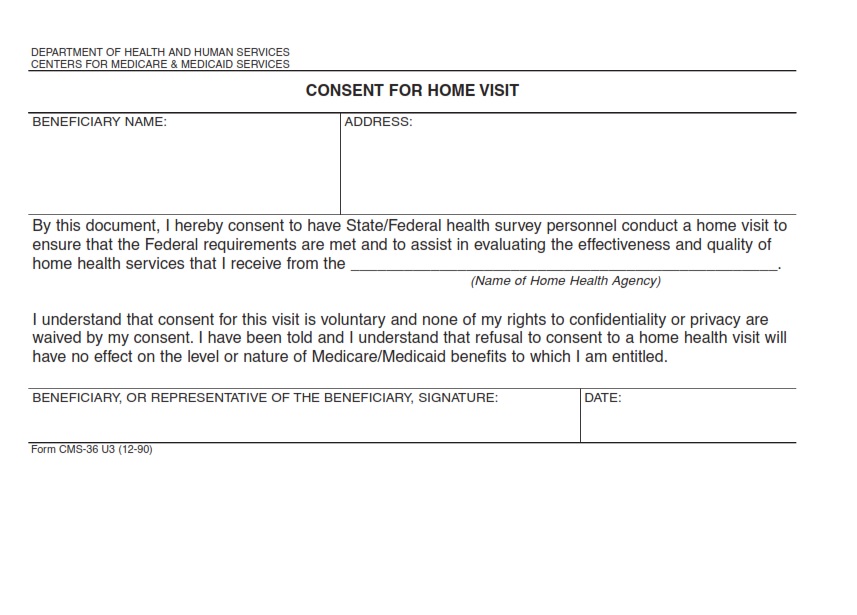
    A CMS 36, also known as Consent for Home Visit, is a crucial form utilized in healthcare settings to obtain permission from patients for a home visit by medical professionals. This form ensures that the patient fully understands and agrees to the visit, promoting transparency and empowering individuals in their care decisions. By signing the CMS 36, patients acknowledge their consent for receiving medical services at their residence, highlighting the importance of patient autonomy and convenience in healthcare delivery.

    Additionally, a signed CMS 36 allows healthcare providers to conduct necessary assessments and treatments outside traditional clinical settings, offering more personalized and holistic care to patients with mobility issues or complex health conditions. This form not only facilitates efficient communication between patients and healthcare teams but also reinforces trust and collaboration in the caregiving process. Ultimately, the CMS 36 serves as a tangible manifestation of patient-centered care principles in action, embodying respect for individual preferences and promoting greater access to quality healthcare services.

    Where Can I Find a CMS 36?

    Looking for a CMS 36 form? You’re not alone. The upcoming home visit requires careful preparation, and having the appropriate consent form is crucial. But where can you find it? Look no further than your local healthcare provider or hospital. They often have copies readily available for patients in need, ensuring that you have access to all necessary documentation.

    Another option is to check online resources provided by reputable medical websites or government health departments. These platforms typically offer downloadable versions of the CMS 36 form, making it convenient for you to obtain and fill out before the scheduled home visit. Don’t let the search for this essential document cause unnecessary stress – with a little effort and the right resources at your disposal, you’ll have everything you need to ensure a smooth and successful home visit experience.

    CMS 36 – CONSENT FOR HOME VISIT

    When it comes to CMS 36 – Consent for Home Visit, clinicians must navigate a delicate balance between respecting a patient’s autonomy and ensuring their safety. This measure is crucial in establishing clear boundaries and building trust in the patient-provider relationship. By obtaining informed consent for home visits, healthcare professionals demonstrate their commitment to ethical practices and patient-centered care.

    Moreover, conducting home visits can offer valuable insights into a patient’s living environment and social support system, providing a more holistic view of their overall health status. This hands-on approach allows clinicians to identify potential barriers to care and tailor interventions that address the specific needs of each individual. Ultimately, gaining consent for home visits not only promotes transparency but also empowers patients to actively participate in their care decisions.

    CMS 36 Example

    CMS 36 - (English)

  • CMS 384 – QIO CASE SUMMARY

    CMS 384 – QIO CASE SUMMARY

    CMSFORM.ORGCMS 384 – QIO CASE SUMMARY – In the fast-paced world of healthcare quality improvement, one program stands out as a beacon of innovation and progress: CMS 384 – QIO. This cutting-edge initiative, known for its transformative impact on patient care outcomes, has captured the attention of healthcare professionals worldwide. By delving into real-life case summaries, we uncover the intricate web of challenges and triumphs faced by Quality Improvement Organizations (QIOs) in their mission to enhance the quality of care provided to Medicare beneficiaries. Join us on a journey through the riveting stories that showcase the power of collaboration, perseverance, and ingenuity in shaping the future of healthcare delivery. Get ready to be inspired and enlightened as we unravel the secrets behind CMS 384 – QIO Case Summaries!

    Download CMS 384 – QIO CASE SUMMARY

    [su_table responsive=”yes”]

    Form Number CMS 384
    Form Title QIO CASE SUMMARY
    Published 1992-03-01
    O.M.B.
    File Size 26 KB

    [/su_table]

    [download id=’1427′]

    What is a CMS 384?

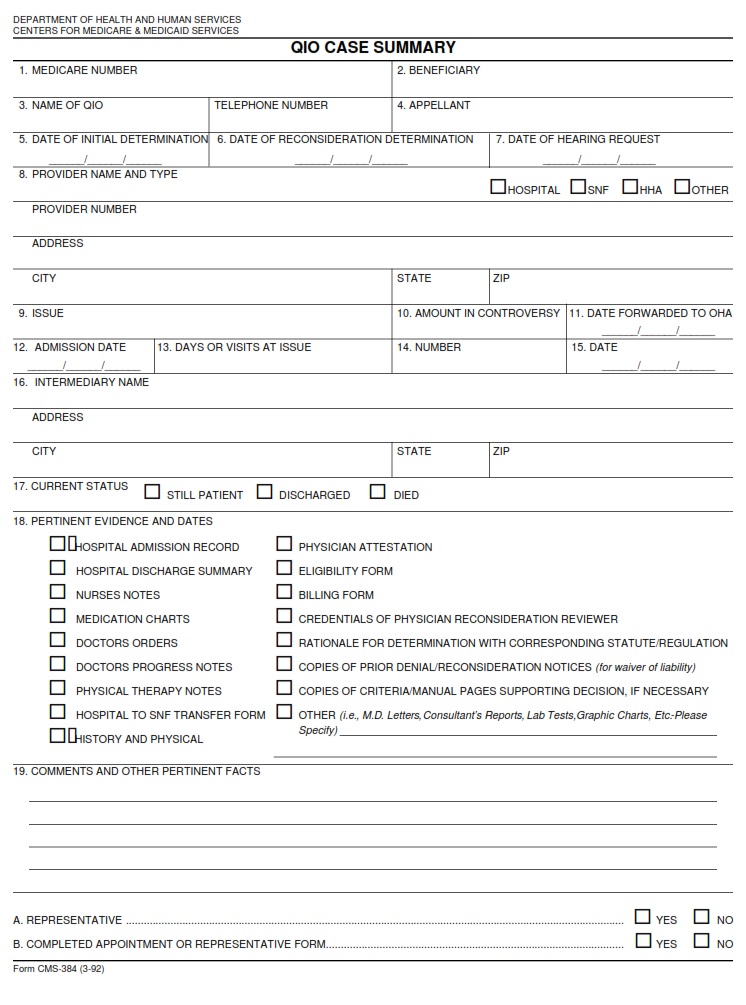
    CMS 384, also known as the QIO CASE SUMMARY, encompasses a series of guidelines and protocols aimed at improving the quality of healthcare services provided to Medicare beneficiaries. It serves as a critical tool in identifying areas for improvement within healthcare facilities and facilitating the implementation of necessary changes. By analyzing data and outcomes, CMS 384 enables healthcare institutions to enhance their practices, ultimately leading to better patient care.

    Furthermore, CMS 384 plays a vital role in promoting transparency and accountability within the healthcare system. It allows for the tracking of performance metrics and the evaluation of healthcare providers’ adherence to established standards. This not only ensures that patients receive high-quality care but also helps organizations identify gaps in service delivery and work towards continuous improvement. In essence, CMS 384 serves as a cornerstone for driving positive change and fostering a culture of excellence in healthcare provision.

    Where Can I Find a CMS 384?

    One of the most reliable places to find a CMS 384 is directly through the Centers for Medicare & Medicaid Services (CMS) website. Here, you can access various resources related to QIO case summaries, including detailed information on the CMS 384 form and its significance in quality improvement initiatives. Additionally, healthcare organizations and providers often have access to these forms through their respective QIOs or quality improvement departments.

    For those looking for a more hands-on approach, attending conferences or workshops focused on quality improvement in healthcare can also be a great way to procure a CMS 384 form and gain valuable insights into its application. These events often feature sessions dedicated to understanding QIO case summaries and offer opportunities to network with experts in the field who can provide guidance on obtaining relevant documentation like the CMS 384.

    CMS 384 – QIO CASE SUMMARY

    In one of the most intriguing cases analyzed in CMS 384, the QIO Case Summary delves into a complex scenario involving quality improvement initiatives within a healthcare setting. The detailed analysis showcases how effective interventions and data-driven strategies can significantly impact patient outcomes and overall quality of care. Through this case study, students gain a deeper understanding of the challenges faced by Quality Improvement Organizations (QIOs) in improving healthcare processes and standards.

    The QIO Case Summary presents a real-world example where collaboration among multidisciplinary teams played a crucial role in driving positive changes. It highlights the importance of communication, teamwork, and continuous monitoring to ensure successful implementation of quality improvement measures. By dissecting this case, students are encouraged to think critically about innovative approaches that can be applied to address similar challenges in various healthcare settings. Truly, the insights gained from analyzing this case serve as valuable lessons for future healthcare professionals striving to enhance patient care and outcomes through effective quality improvement practices.

    CMS 384 Example

    CMS 384

  • CMS 2567B – POST-CERTIFICATION REVISIT REPORT

    CMS 2567B – POST-CERTIFICATION REVISIT REPORT

    CMSFORM.ORGCMS 2567B – POST-CERTIFICATION REVISIT REPORT – Imagine a scenario where a hospital undergoes a rigorous certification process, checks all the boxes, and breathes a sigh of relief as they pass with flying colors. However, the journey doesn’t end there. Enter the CMS 2567B – Post-Certification Revisit Report, an often overlooked but crucial step in ensuring continued compliance with healthcare regulations. This report serves as a snapshot of the hospital’s ongoing adherence to standards set forth by the Centers for Medicare & Medicaid Services (CMS), shedding light on any potential deficiencies that may have arisen since the initial certification. In this article, we delve into the significance of this revisit report, unraveling its impact on patient care quality and organizational sustainability in today’s ever-evolving healthcare landscape.

    Download CMS 2567B – POST-CERTIFICATION REVISIT REPORT

    [su_table responsive=”yes”]

    Form Number CMS 2567B
    Form Title POST-CERTIFICATION REVISIT REPORT
    Published 1992-09-01
    O.M.B.
    File Size 118 KB

    [/su_table]

    [download id=’1428′]

    What is a CMS 2567B?

    When it comes to finding a CMS 2567B form, one of the best places to start is the official Centers for Medicare & Medicaid Services (CMS) website. This comprehensive online resource offers a wealth of information on various forms and documents related to healthcare compliance. Additionally, healthcare facilities that have undergone certification surveys may also have copies of the CMS 2567B form available upon request.

    It’s important to note that the CMS 2567B form can play a crucial role in ensuring compliance with regulatory standards and guidelines set forth by CMS. As such, having access to this document is essential for healthcare facilities looking to maintain their certification status. By proactively seeking out the CMS 2567B form, organizations can stay ahead of compliance requirements and demonstrate their commitment to providing high-quality care for patients.

    Where Can I Find a CMS 2567B?

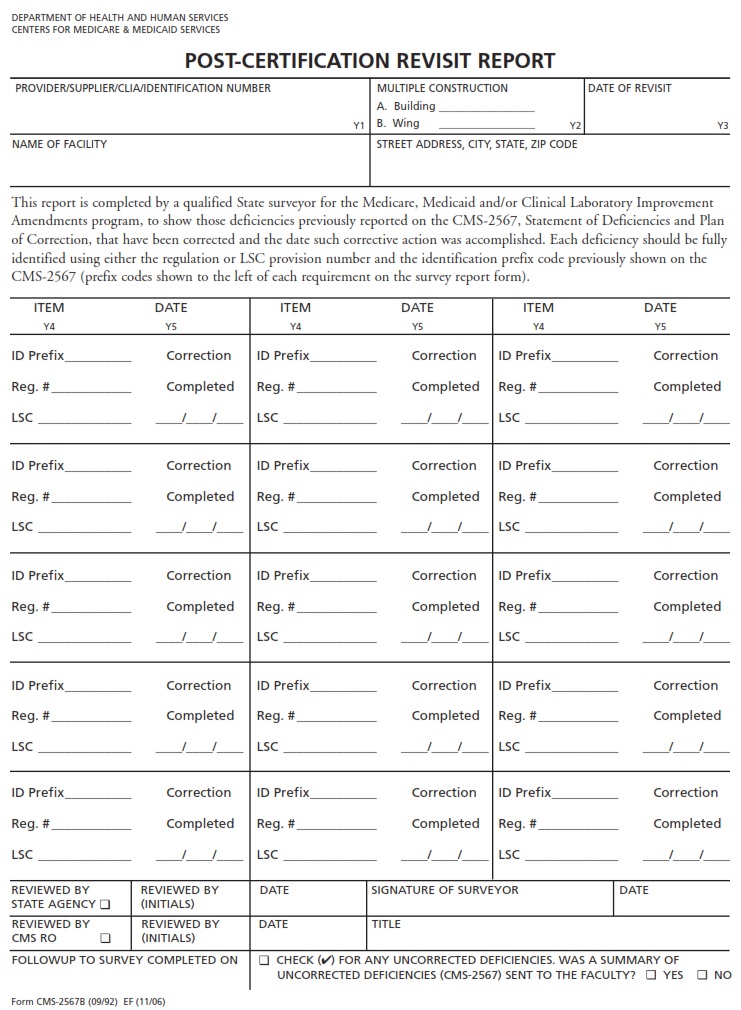
    The CMS 2567B, also known as the Post-Certification Revisit Report, is a crucial document within the healthcare industry that plays a significant role in ensuring compliance with CMS regulations. This report serves as a follow-up assessment conducted after a healthcare facility has been certified, aiming to assess whether any deficiencies identified during the initial survey have been addressed effectively. The findings and recommendations outlined in the post-certification revisit report are essential for maintaining high-quality standards of care and ensuring patient safety.

    Healthcare organizations must pay close attention to the details presented in the CMS 2567B report, as it provides valuable insights into areas needing improvement and corrective actions required for compliance. By carefully analyzing the recommendations put forth in this document, facilities can enhance their operational processes, standardize best practices, and ultimately deliver better patient outcomes. Additionally, utilizing the information from the post-certification revisit report can help organizations strengthen their overall quality assurance initiatives and demonstrate their commitment to excellence in healthcare delivery.

    CMS 2567B – POST-CERTIFICATION REVISIT REPORT

    The CMS 2567B, or the Post-Certification Revisit Report, serves as a critical document in the healthcare industry, providing a comprehensive overview of the findings and compliance status following a certification survey. This report plays a crucial role in highlighting any deficiencies identified during the initial survey and tracking the progress of corrective actions taken by healthcare facilities to address these issues. Moreover, it serves as a tool for regulatory agencies to monitor ongoing compliance with quality and safety standards.

    One key aspect to note is that the CMS 2567B not only identifies areas for improvement but also recognizes successful efforts made by healthcare organizations to enhance their services and ensure patient safety. By analyzing trends in revisit reports over time, stakeholders can gain valuable insights into systemic issues within the healthcare system and strategic areas for targeted interventions. Ultimately, understanding and leveraging the information contained within these reports can drive continuous quality improvement efforts across various levels of care delivery.

    CMS 2567B Example

    CMS 2567B

  • CMS 576 – Organ Procurement Request for Designation as an OPO

    CMS 576 – Organ Procurement Request for Designation as an OPO

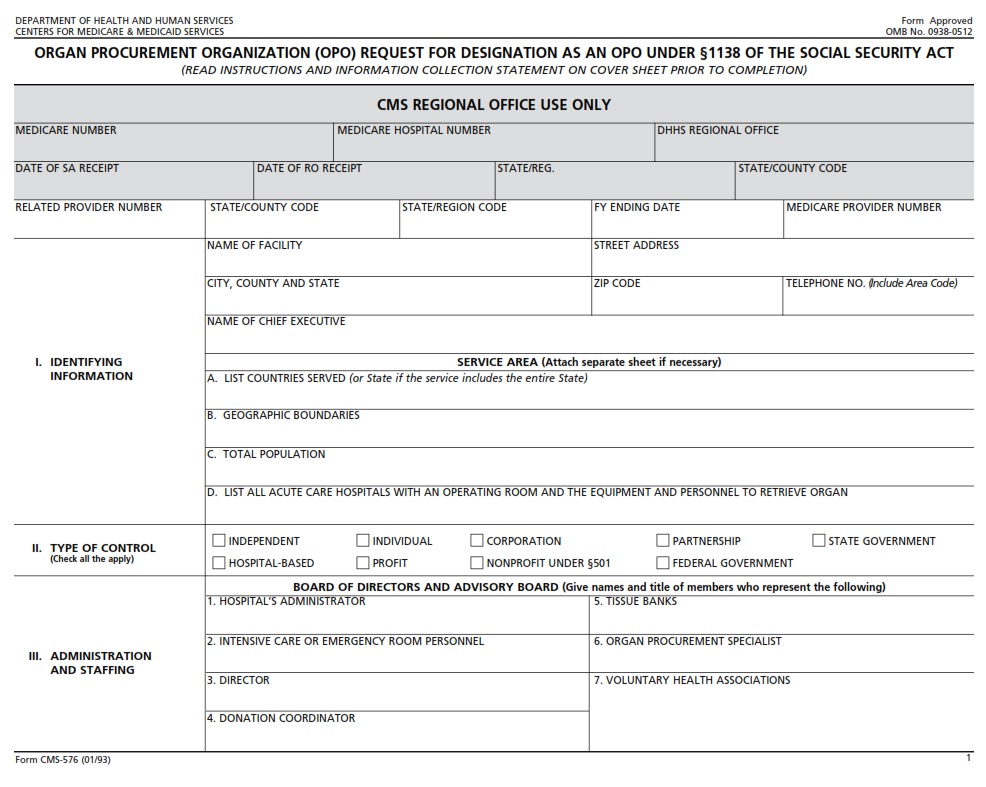
    CMSFORM.ORGCMS 576 – Organ Procurement Request for Designation as an OPO – In the intricate world of organ procurement, an often overlooked yet crucial component lies in the designation of Organ Procurement Organizations (OPOs). CMS 576 serves as a pivotal document that outlines the requirements and procedures for entities seeking to be designated as OPOs, shaping the landscape of organ donation and transplantation in profound ways. As we delve into this complex realm where lives are interconnected by the selfless act of organ donation, we unravel a tapestry woven with hope, compassion, and ethical considerations. Join us on a journey through the corridors of healthcare advocacy and altruism as we explore how CMS 576 plays a vital role in ensuring equitable access to life-saving organs for those in need.

    Download CMS 576 – Organ Procurement Request for Designation as an OPO

    [su_table responsive=”yes”]

    Form Number CMS 576
    Form Title Organ Procurement Request for Designation as an OPO
    Published 1993-01-01
    O.M.B. 0938-0512
    File Size 248 KB

    [/su_table]

    [download id=’1429′]

    What is a CMS 576?

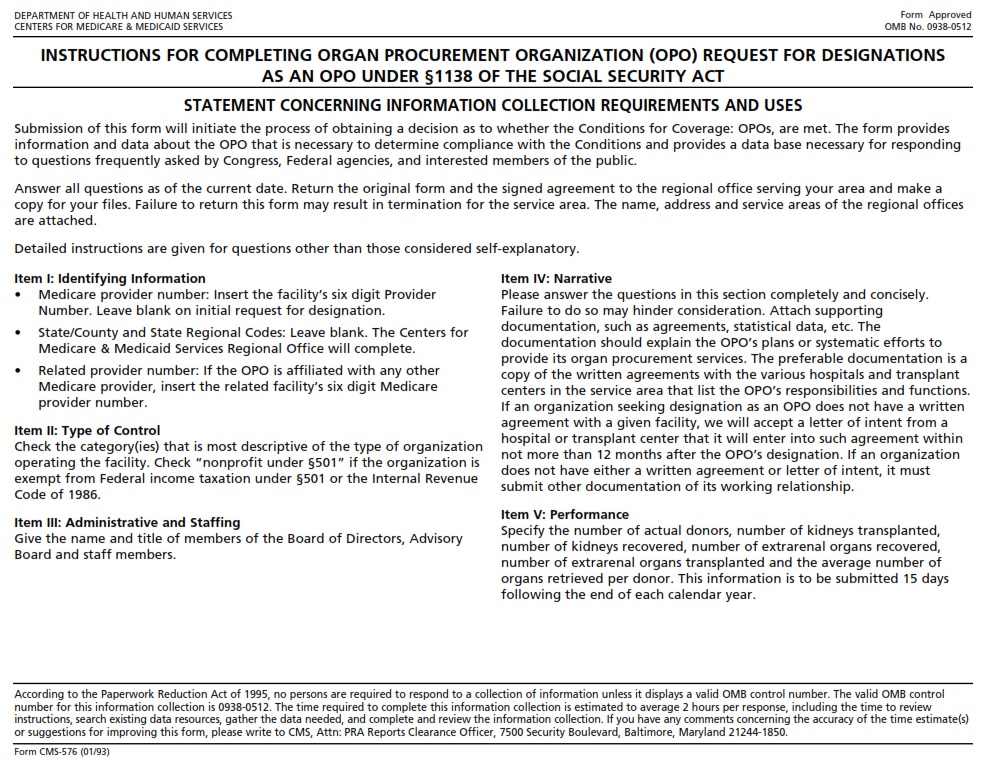
    A CMS 576, also known as the Organ Procurement Request for Designation as an OPO, plays a crucial role in the organ donation process. This form is utilized by organizations seeking designation as an Organ Procurement Organization (OPO) to manage and coordinate the recovery of organs from deceased individuals for transplantation. It serves as a formal request to the Centers for Medicare and Medicaid Services (CMS) for official recognition and authority as an OPO.

    The CMS 576 is designed to ensure that designated OPOs meet specific criteria related to performance metrics, geographical coverage, donor potential identification, and other important aspects of organ procurement. By completing this form accurately and effectively, organizations can demonstrate their capability to fulfill the vital role of facilitating organ donations while adhering to regulatory requirements. The thorough evaluation process involved in obtaining CMS approval through the 576 form underscores the importance of transparency, accountability, and competency within the field of organ procurement.

    Where Can I Find a CMS 576?

    When it comes to locating a CMS 576, individuals often wonder where they can access this essential form for Organ Procurement Request for Designation as an OPO. The Centers for Medicare & Medicaid Services (CMS) website is a primary source to obtain the CMS 576 form. Furthermore, healthcare organizations and hospitals may also have access to these forms through their internal systems or designated personnel. To ensure efficiency in the organ procurement process, it is crucial for OPOs and relevant entities to have easy access to the CMS 576 form.

    One innovative approach that some organizations have adopted is digitizing the CMS 576 form, making it more accessible and user-friendly. By utilizing online platforms or specialized software, stakeholders involved in organ procurement can streamline the process of submitting and processing these important documents. Additionally, collaborating with technology providers specializing in healthcare solutions can offer novel avenues for securing the necessary forms like the CMS 576 efficiently. In a rapidly evolving landscape of healthcare technologies, leveraging digital tools can significantly enhance the effectiveness and speed of organ procurement operations.

    CMS 576 – Organ Procurement Request for Designation as an OPO

    Organ procurement organizations (OPOs) play a crucial role in facilitating the donation and transplantation of organs to those in need. The designation process for becoming an OPO is a meticulous one, requiring organizations to meet specific criteria set by the Centers for Medicare & Medicaid Services (CMS). CMS 576 outlines the requirements that must be fulfilled by entities seeking designation as an OPO, including demonstrating the ability to effectively recover organs and work collaboratively with hospitals and transplant centers.

    Successfully obtaining the designation as an OPO signifies a commitment to upholding high standards of organ procurement and transplantation practices. It also opens up opportunities for OPOs to collaborate with various stakeholders in the healthcare industry, ultimately increasing access to life-saving transplants for patients on waiting lists. While the process may be rigorous, it serves as a testament to the dedication and expertise required in ensuring successful organ donation outcomes.

    CMS 576 Example

    CMS 576 - Page 1 CMS 576 - Page 2 CMS 576 - Page 3

  • CMS 729 – Data Collection Medical Staff Coverage

    CMS 729 – Data Collection Medical Staff Coverage

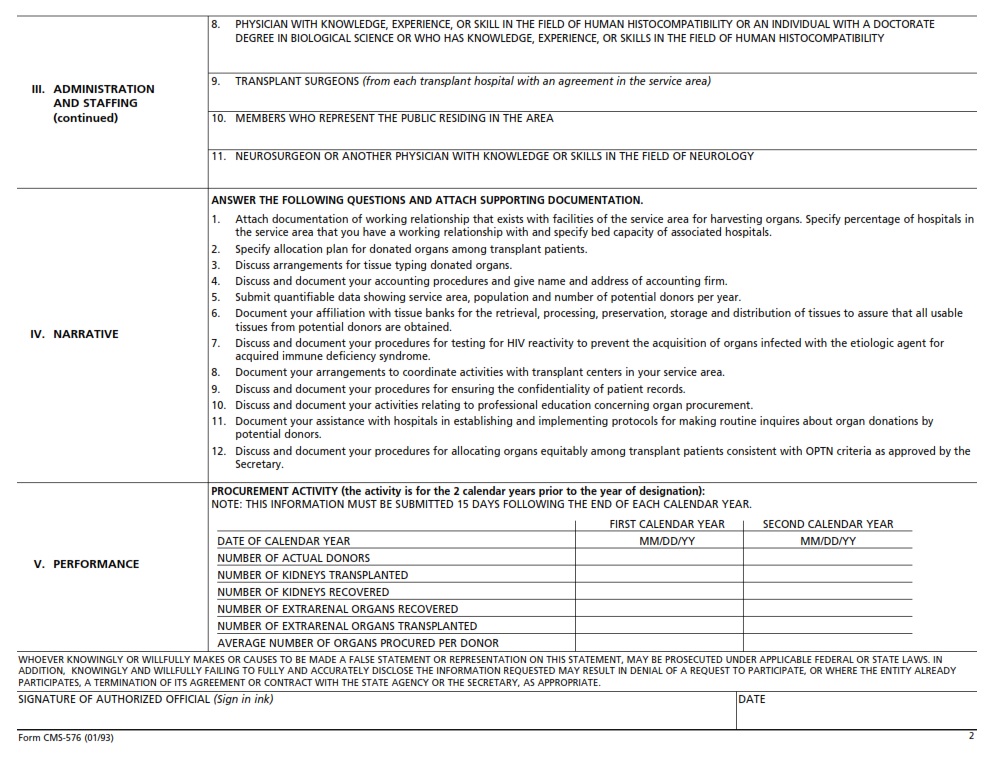
    CMSFORM.ORGCMS 729 – Data Collection Medical Staff Coverage – In the fast-paced world of healthcare, ensuring adequate medical staff coverage is crucial for providing quality patient care. CMS 729, a cutting-edge data collection system, has revolutionized the way hospitals and clinics monitor and manage their staffing needs. This innovative tool offers real-time insights into staffing levels, workload distribution, and patient acuity, allowing healthcare facilities to make informed decisions to optimize efficiency and improve outcomes.

    Imagine a hospital where every shift is seamlessly staffed with the right mix of physicians, nurses, and support staff based on actual patient needs. CMS 729 makes this vision a reality by harnessing the power of data analytics to create customized staffing solutions tailored to each unique healthcare setting. By delving deep into metrics such as patient volume trends, acuity levels, and clinician skill sets, this groundbreaking system empowers administrators to proactively address staffing gaps and ensure that patients receive timely and high-quality care. Join us as we explore how CMS 729 is transforming the landscape of medical staff coverage management and reshaping the future of healthcare delivery.

    Download CMS 729 – Data Collection Medical Staff Coverage

    [su_table responsive=”yes”]

    Form Number CMS 729
    Form Title Data Collection Medical Staff Coverage
    Published 1994-09-01
    O.M.B. 0938-0378
    File Size 23 KB

    [/su_table]

    [download id=’1430′]

    What is a CMS 729?

    CMS 729, also known as Data Collection Medical Staff Coverage, refers to a critical process in healthcare settings that involves the collection and management of data related to medical staff coverage. This CMS form is designed to ensure that healthcare facilities have a sufficient number of qualified medical staff present at all times, thus guaranteeing the quality and efficiency of patient care services.

    By utilizing CMS 729, healthcare organizations can better track and analyze data regarding medical staff availability, workload distribution, and overall performance. This data-driven approach enables hospitals and clinics to identify potential gaps in staff coverage, optimize scheduling practices, and ultimately enhance the level of care provided to patients. In today’s rapidly evolving healthcare landscape, leveraging tools like CMS 729 is essential for achieving operational excellence and improving patient outcomes.

    Where Can I Find a CMS 729?

    If you’re in search of a robust and reliable CMS 729 for your data collection needs, look no further than specialized medical equipment suppliers or online healthcare technology platforms. These providers often have a wide range of CMS options, including the advanced CMS 729 model designed specifically for efficient medical staff coverage management. By exploring these avenues, you can access valuable resources and expert guidance on selecting the most suitable CMS solution tailored to your organization’s requirements.

    Additionally, reaching out to industry experts and attending healthcare conferences or seminars can also be fruitful in discovering where to find a CMS 729. Engaging with professionals who have firsthand experience with different CMS systems can provide valuable insights and recommendations on reputable suppliers or vendors offering the sought-after CMS model. Keeping abreast of technological advancements and market trends is essential in identifying emerging solutions that can streamline data collection processes effectively within healthcare settings.

    CMS 729 – Data Collection Medical Staff Coverage

    When it comes to ensuring comprehensive data collection for medical staff coverage, CMS 729 plays a crucial role in maintaining accurate and up-to-date information. This code provides a standardized framework for collecting essential details about medical personnel, including their qualifications, availability, and areas of expertise. By adhering to CMS 729 guidelines, healthcare facilities can streamline the process of assigning staff to different shifts and departments based on their skills and experience.

    One key benefit of utilizing CMS 729 for data collection is the ability to efficiently track staffing patterns and trends within a healthcare organization. This information enables administrators to make informed decisions regarding resource allocation, ensuring optimal coverage levels at all times. Additionally, by centralizing medical staff data through CMS 729, facilities can enhance communication between departments and improve coordination in managing patient care. Overall, implementing this system not only optimizes workforce management but also enhances the overall quality of healthcare services provided.

    CMS 729 Example

    CMS 729