Author: Bismillah

  • CMS 36 – CONSENT FOR HOME VISIT (Spanish)
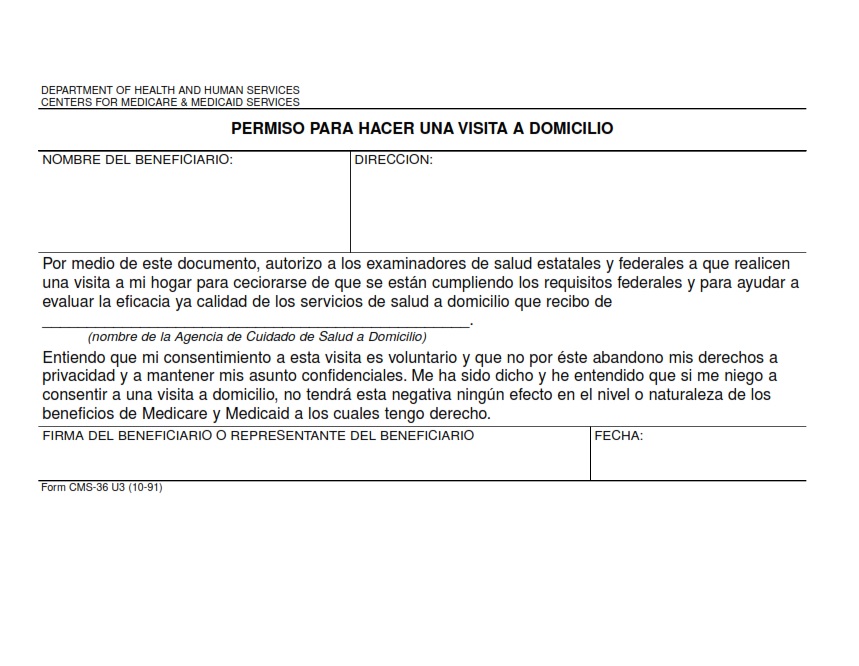
    CMS 36 – CONSENT FOR HOME VISIT (Spanish)

    CMSFORM.ORGCMS 36 – CONSENT FOR HOME VISIT (Spanish) – Picture this: a knock on your door, followed by the sound of footsteps approaching. You open it to find a friendly face, ready to provide you with personalized healthcare services in the comfort of your own home. This is the essence of CMS 36 – Consent for Home Visit, a revolutionary approach to medical care that brings the doctor’s office to your doorstep. In an era where time is precious and convenience is key, this innovative initiative offers patients a unique opportunity to receive quality healthcare without ever having to step foot outside their homes.

    Imagine being able to discuss your health concerns with a healthcare professional while lounging in your favorite chair or sipping tea at your kitchen table. CMS 36 empowers patients by giving them control over their healthcare experience and fostering a sense of comfort and familiarity in what can often be an intimidating setting. With its focus on patient-centered care and individualized treatment plans, this program is changing the way we view traditional medical consultations. So sit back, relax, and let CMS 36 show you just how transformative healthcare can be when it comes knocking at your door.

    Download CMS 36 – CONSENT FOR HOME VISIT (Spanish)

    [su_table responsive=”yes”]

    Form Number CMS 36
    Form Title CONSENT FOR HOME VISIT (Spanish)
    Published 1990-12-01
    O.M.B.
    File Size 25 KB

    [/su_table]

    [download id=’1411′]

    What is a CMS 36?

    CMS 36, also known as Consent for Home Visit, is a crucial form used in healthcare settings to ensure patient understanding and agreement to receive care at their residence. By obtaining consent through CMS 36, healthcare providers can maintain transparency and respect patients’ autonomy. This form serves as a legal document that outlines the specific details of the home visit, ensuring both parties are on the same page regarding expectations and responsibilities.

    Moreover, CMS 36 plays a key role in enhancing patient-centered care by bringing medical services directly to individuals who may have difficulty accessing traditional healthcare facilities. With the rise of telemedicine and mobile healthcare solutions, CMS 36 has become increasingly important in facilitating personalized and convenient care delivery. As technology continues to advance, forms like CMS 36 will likely evolve to adapt to changing healthcare landscapes while prioritizing patient comfort and convenience.

    Where Can I Find a CMS 36?

    When it comes to CMS 36 – Consent for Home Visit, healthcare providers must prioritize patient autonomy and ensure that informed consent is obtained before visiting a patient’s home. This process goes beyond just obtaining a signature on a form; it requires open communication, understanding the patient’s individual needs and preferences, and respecting their privacy and boundaries.

    Home visits can provide invaluable insights into a patient’s living conditions, support system, and overall well-being. By obtaining proper consent for these visits, healthcare professionals can build trust with their patients, provide more personalized care, and identify potential risks or barriers to treatment. It is crucial for providers to approach home visits with sensitivity and cultural competence while also recognizing the significance of obtaining informed consent as a fundamental ethical principle in healthcare delivery.

    CMS 36 Example

    CMS 36 - (Spanish)

  • CMS 10123 – EXPEDITED REVIEW NOTICE-NOTICE OF MEDICARE PROVIDER NON-COVERAGE (English)

    CMS 10123 – EXPEDITED REVIEW NOTICE-NOTICE OF MEDICARE PROVIDER NON-COVERAGE (English)

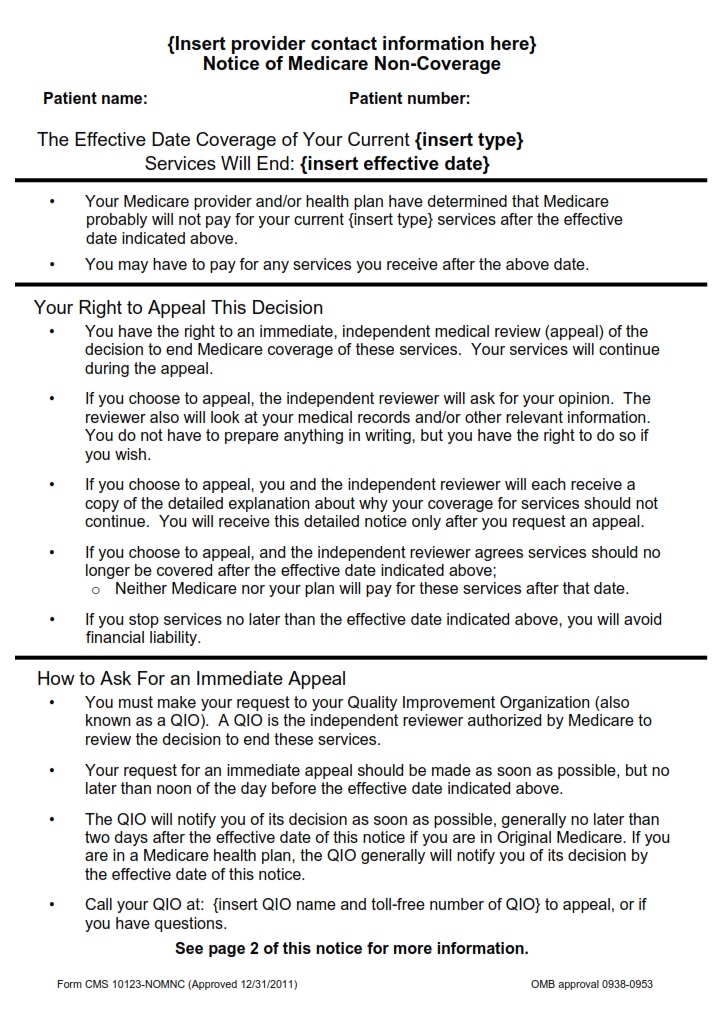
    CMSFORM.ORGCMS 10123 – EXPEDITED REVIEW NOTICE-NOTICE OF MEDICARE PROVIDER NON-COVERAGE (English) – In the complex world of healthcare, navigating through Medicare coverage can often feel like a daunting and confusing task. What happens when you receive a notice of Medicare provider non-coverage? How does it impact your access to healthcare services and what steps should you take next? CMS 10123 – EXPEDITED REVIEW NOTICE-NOTICE OF MEDICARE PROVIDER NON-COVERAGE is a crucial document that holds significant implications for individuals relying on Medicare benefits. This article aims to unravel the mysteries surrounding this notice and provide clarity on what recipients need to know in order to effectively address potential coverage gaps. Join us as we delve into the intricacies of Medicare regulations and empower individuals with the knowledge needed to advocate for their health rights in the face of provider non-coverage challenges.

    Download CMS 10123 – EXPEDITED REVIEW NOTICE-NOTICE OF MEDICARE PROVIDER NON-COVERAGE

    [su_table responsive=”yes”]

    Form Number CMS 10123
    Form Title EXPEDITED REVIEW NOTICE-NOTICE OF MEDICARE PROVIDER NON-COVERAGE (English)
    Published 2008-02-29
    O.M.B. 0938-0953
    File Size 25 KB

    [/su_table]

    [download id=’1412′]

    What is a CMS 10123?

    A CMS 10123 form, specifically known as the Expedited Review Notice-Notice of Medicare Provider Non-Coverage, serves as a crucial document in the healthcare industry. It informs Medicare recipients that a particular service or treatment may not be covered by their insurance provider, leading to potential out-of-pocket expenses. Understanding this form is essential for patients to make informed decisions about their healthcare choices and financial responsibilities.

    The CMS 10123 process highlights the importance of patient advocacy and empowerment within the complex landscape of healthcare services. By providing transparency on coverage limitations, this form encourages individuals to actively engage with their care providers and explore alternative solutions when faced with non-covered services. Ultimately, navigating the CMS 10123 protocol empowers patients to take control of their medical decisions and seek out options that align with both their health needs and financial constraints.

    Where Can I Find a CMS 10123?

    Searching for a CMS 10123 form can often feel like finding a needle in a haystack, especially when time is of the essence. One of the most reliable sources to obtain this specific document is through official Medicare websites or local government health offices, where you can usually find downloadable versions for expedited review processes. Additionally, consulting with healthcare providers or insurance companies directly may prove beneficial in expediting the acquisition process and ensuring your compliance with necessary Medicare regulations.

    For those navigating through the intricate web of healthcare bureaucracy, it’s essential to approach the search for a CMS 10123 form with patience and persistence. Exploring online forums and community resources might also yield valuable insights on locating this elusive document, shedding light on tips and tricks shared by others who have successfully navigated similar challenges. Keeping an open mind and willingness to seek assistance from various channels can significantly ease the journey towards obtaining a CMS 10123 form promptly and efficiently.

    CMS 10123 – EXPEDITED REVIEW NOTICE-NOTICE OF MEDICARE PROVIDER NON-COVERAGE (English)

    CMS 10123 – EXPEDITED REVIEW NOTICE-NOTICE OF MEDICARE PROVIDER NON-COVERAGE (English) is a crucial document that Medicare beneficiaries may receive when their coverage for a particular medical service is denied. This notice serves as a formal notification of non-coverage and informs the recipient about their right to request an expedited review. Understanding the content of this notice is essential for beneficiaries to navigate the appeals process effectively and advocate for their healthcare needs.

    Receiving an EXPEDITED REVIEW NOTICE-NOTICE OF MEDICARE PROVIDER NON-COVERAGE can be overwhelming, but it also presents an opportunity for beneficiaries to take control of their healthcare journey. By carefully reviewing the details provided in CMS 10123, individuals can gather relevant information to support their case during the review process. It’s important for beneficiaries to stay informed and proactive when dealing with Medicare provider non-coverage issues, as prompt action could lead to a successful appeal and ensure access to necessary medical services.

    CMS 10123 Example

    CMS 10123 - Page 1 CMS 10123 - Page 2

  • CMS 643 – Hospice Survey AND Deficiencies Report

    CMS 643 – Hospice Survey AND Deficiencies Report

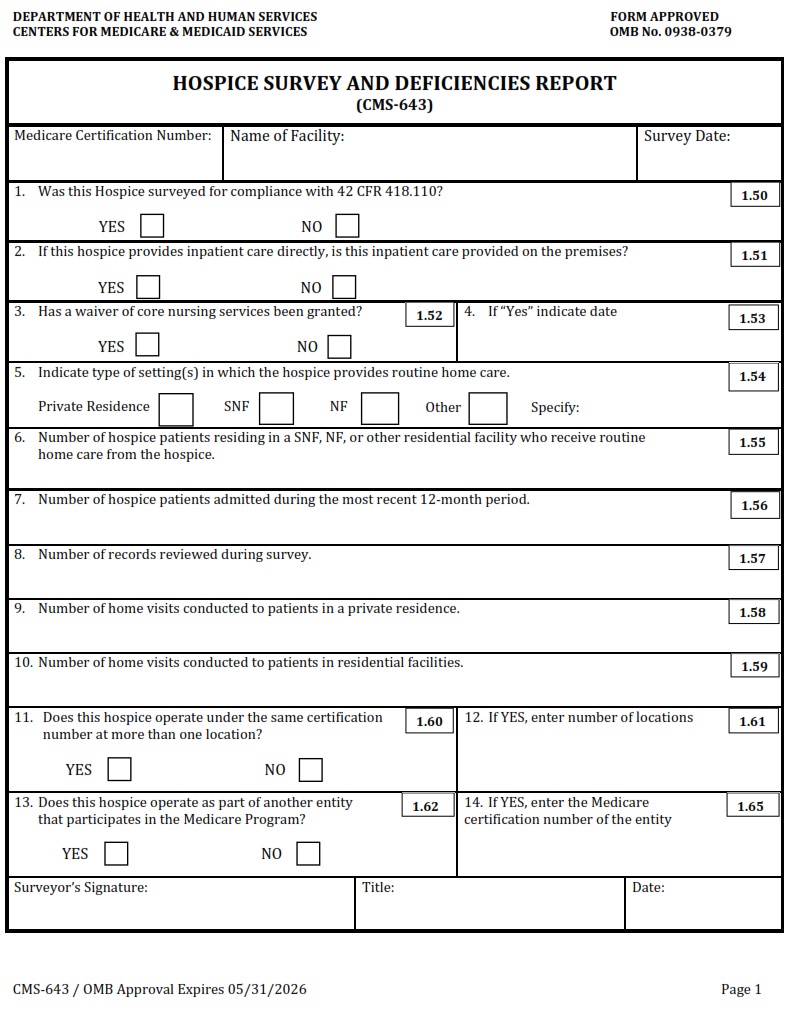
    CMSFORM.ORGCMS 643 – Hospice Survey AND Deficiencies Report – In the complex and ever-evolving landscape of healthcare regulation, the Centers for Medicare & Medicaid Services (CMS) plays a crucial role in ensuring quality care for vulnerable populations. One such program under CMS’s scrutiny is Hospice Care, a vital service that provides comfort and support to terminally ill patients and their families during life’s most challenging moments. The release of the CMS 643 – Hospice Survey AND Deficiencies Report sheds light on the state of hospice care across the nation, revealing both commendable practices and areas in need of improvement. This comprehensive report serves as a beacon guiding providers, policymakers, and advocates towards achieving excellence in end-of-life care while upholding the highest standards of patient safety and dignity. Join us as we delve into this invaluable resource, exploring its findings and implications for the future of hospice services in America.

    Download CMS 643 – Hospice Survey AND Deficiencies Report

    [su_table responsive=”yes”]

    Form Number CMS 643
    Form Title Hospice Survey AND Deficiencies Report
    Published 2008-06-01
    O.M.B. 0938-0379
    File Size 178 KB

    [/su_table]

    [download id=’1413′]

    What is a CMS 643?

    A CMS 643 (28 KB) form plays a crucial role in the hospice industry by serving as a survey and deficiencies report that assesses the quality of care provided to patients. This standardized document, designed by the Centers for Medicare & Medicaid Services (CMS), contains detailed information about various aspects of hospice care, such as patient assessments, pain management, and compliance with regulatory requirements. Hospice providers use this form to maintain accountability, identify areas for improvement, and ensure that they meet the necessary standards of care.

    By utilizing the CMS 643 (28 KB) form effectively, hospice organizations can enhance their operations and strive towards achieving optimal patient outcomes. The data gathered from these surveys not only help providers track their performance but also enable them to implement evidence-based practices that promote quality end-of-life care. Understanding the significance of this document is essential for hospice administrators, clinicians, and staff members to uphold best practices in delivering compassionate and effective care to terminally ill patients.

    Where Can I Find a CMS 643 (28 KB)?

    If you’re on the hunt for a CMS 643 (28 KB) form, look no further than the Centers for Medicare & Medicaid Services (CMS) website. This crucial document is an essential tool for hospice providers to report survey and deficiencies information in order to comply with regulations. By accessing this form directly from the CMS website, providers can ensure they have the most up-to-date version and stay in compliance with federal guidelines.

    The CMS 643 (28 KB) form serves as a key resource for hospice agencies to maintain transparency and accountability in their operations. By diligently completing this form, providers can demonstrate their commitment to delivering high-quality care while also identifying areas for improvement. Keeping a close eye on survey results and deficiencies allows hospice agencies to address any shortcomings promptly and ensure they are providing top-notch care to patients in need.

    CMS 643 (28 KB) – Hospice Survey AND Deficiencies Report

    In the realm of hospice care, compliance with regulations and standards is paramount to ensuring high-quality end-of-life services. The CMS 643 (28 KB) Hospice Survey and Deficiencies Report serves as a tool for evaluating hospice providers’ adherence to the guidelines set forth by the Centers for Medicare & Medicaid Services (CMS). By analyzing survey data and identifying deficiencies, this report plays a crucial role in promoting transparency and accountability within the hospice industry.

    One key takeaway from the CMS 643 survey is the emphasis on patient-centered care and patient rights. Providers are evaluated on their ability to respect patients’ autonomy, preferences, and decision-making processes throughout their hospice journey. Moreover, deficiencies related to patient safety protocols and infection control measures highlight the importance of maintaining a safe environment for both patients and healthcare staff. By addressing these gaps in care delivery, hospice providers can enhance the overall quality of services provided to individuals approaching end-of-life.

    Overall, the CMS 643 Hospice Survey report offers valuable insights into areas where improvement is needed within hospice organizations. By leveraging these findings as opportunities for growth and enhancement, providers can elevate their level of care delivery and ultimately improve outcomes for those under their care during life’s final chapter.

    CMS 643 (28 KB) Example

    CMS 643 - Page 1 CMS 643 - Page 2 CMS 643 - Page 3

  • CMS 1882 – PORTABLE XRAY SURVEY REPORT

    CMS 1882 – PORTABLE XRAY SURVEY REPORT

    CMSFORM.ORGCMS 1882 – PORTABLE XRAY SURVEY REPORT – In the age of technological advancement and scientific exploration, the unveiling of CMS 1882 has sent shockwaves through the world of radiography. This groundbreaking portable X-ray survey report is not just a mere compilation of data; it represents a revolutionary leap in the field of medical imaging. Imagine a device so compact and portable that it can bring life-saving diagnostic capabilities to remote corners of the globe, transforming healthcare delivery as we know it. The implications are profound, promising to bridge gaps in access to crucial medical services and redefine the boundaries of possibility in healthcare technology. Join us on this journey as we delve into the depths of CMS 1882 – an innovation poised to change lives and shape the future of radiological diagnostics.

    Download CMS 1882 – PORTABLE XRAY SURVEY REPORT

    [su_table responsive=”yes”]

    Form Number CMS 1882
    Form Title PORTABLE XRAY SURVEY REPORT
    Published 2009-02-01
    O.M.B. 0938-0027
    File Size 368 KB

    [/su_table]

    [download id=’1414′]

    What is a CMS 1882?

    A CMS 1882 is a portable X-ray survey device that plays a crucial role in the field of radiology and medical imaging. With its compact design and advanced technology, the CMS 1882 allows for quick and accurate X-ray inspections in various settings, from hospitals to emergency response situations. This device offers healthcare professionals the flexibility to conduct exams on-site, reducing the need for patients to travel long distances for imaging studies.

    One of the key advantages of using a CMS 1882 is its ability to provide real-time results, enabling immediate feedback on diagnostic images. This rapid turnaround time can significantly impact patient care by expediting treatment decisions and improving overall workflow efficiency in medical facilities. Furthermore, the portability of this X-ray survey device enhances accessibility to imaging services in remote areas or during emergency scenarios where traditional radiology equipment may not be readily available.

    Where Can I Find a CMS 1882?

    If you’re on the hunt for a CMS 1882, one of the best places to start your search is online auction websites and specialty medical equipment vendors. These platforms often have a variety of vintage medical devices available for sale, including rare models like the CMS 1882. Additionally, reaching out to medical equipment collectors or enthusiasts through forums and social media groups could lead you to potential sellers who may have this specific model in their collection.

    Another avenue to explore is contacting hospitals or medical facilities that are upgrading their equipment. They may be looking to offload older models like the CMS 1882 at a discounted price or even donate them to interested parties. Don’t forget about attending medical equipment trade shows or conferences where you might come across vendors specializing in antique medical devices who could assist you in locating a CMS 1882 for your collection.

    CMS 1882 – PORTABLE XRAY SURVEY REPORT

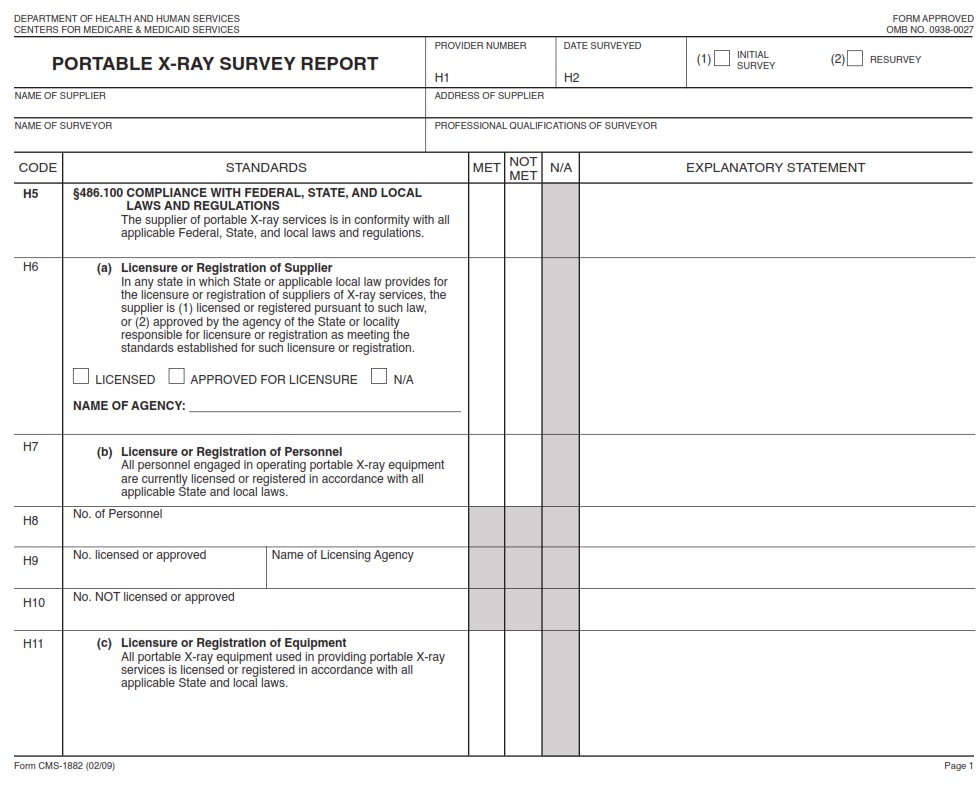
    In the realm of radiologic compliance, the CMS 1882 form holds significant weight as a tool for ensuring the quality and safety of portable x-ray surveys. This crucial document not only serves as a comprehensive record of survey findings but also plays a vital role in maintaining regulatory compliance in healthcare facilities. With its detailed sections covering everything from equipment performance to image quality, the CMS 1882 form acts as a roadmap for technologists and radiologists to assess and address any potential issues that may arise during portable x-ray procedures.

    One intriguing aspect of the CMS 1882 form is its ability to foster continuous improvement within imaging departments. By providing an organized framework for documenting survey results and corrective actions, this form enables facilities to track trends over time and implement targeted strategies for enhancing overall performance. Furthermore, the data collected through these surveys can be utilized to identify areas for training or equipment upgrades, ultimately leading to improved patient care and diagnostic accuracy in portable x-ray services. It is clear that embracing the CMS 1882 form as more than just a regulatory requirement can yield substantial benefits in terms of operational efficiency and quality assurance in radiologic imaging practices.

    CMS 1882 Example

    CMS 1882 - Page 1 CMS 1882 - Page 2

  • CMS R-296 – HOME HEALTH ADVANCE BENEFICIARY NOTICE

    CMS R-296 – HOME HEALTH ADVANCE BENEFICIARY NOTICE

    CMSFORM.ORGCMS R-296 – HOME HEALTH ADVANCE BENEFICIARY NOTICE – In the ever-evolving landscape of healthcare regulations, one particular acronym has been causing a stir among home health providers and Medicare beneficiaries alike – CMS R-296. At the heart of this regulation lies the Home Health Advance Beneficiary Notice (HHABN), a crucial document that serves as a bridge between patients and providers in the realm of home health services. As the healthcare industry continues to navigate complex reimbursement rules and compliance requirements, understanding the intricacies of CMS R-296 and its implications for both parties is essential for ensuring seamless care delivery and financial transparency.

    Imagine receiving personalized care in the comfort of your own home, only to be faced with unexpected costs or uncertainties about coverage. The HHABN under CMS R-296 aims to address these concerns head-on, empowering patients with knowledge about their rights and potential financial responsibilities before services are rendered. Join us as we delve into the significance of this vital notice, unraveling its nuances, impact on patient-provider relationships, and how it paves the way for informed decision-making in home health settings.

    Download CMS R-296 – HOME HEALTH ADVANCE BENEFICIARY NOTICE

    [su_table responsive=”yes”]

    Form Number CMS R-296
    Form Title HOME HEALTH ADVANCE BENEFICIARY NOTICE
    Published 2009-08-01
    O.M.B. 0938-0781
    File Size 218 KB

    [/su_table]

    [download id=’1415′]

    What is a CMS R-296?

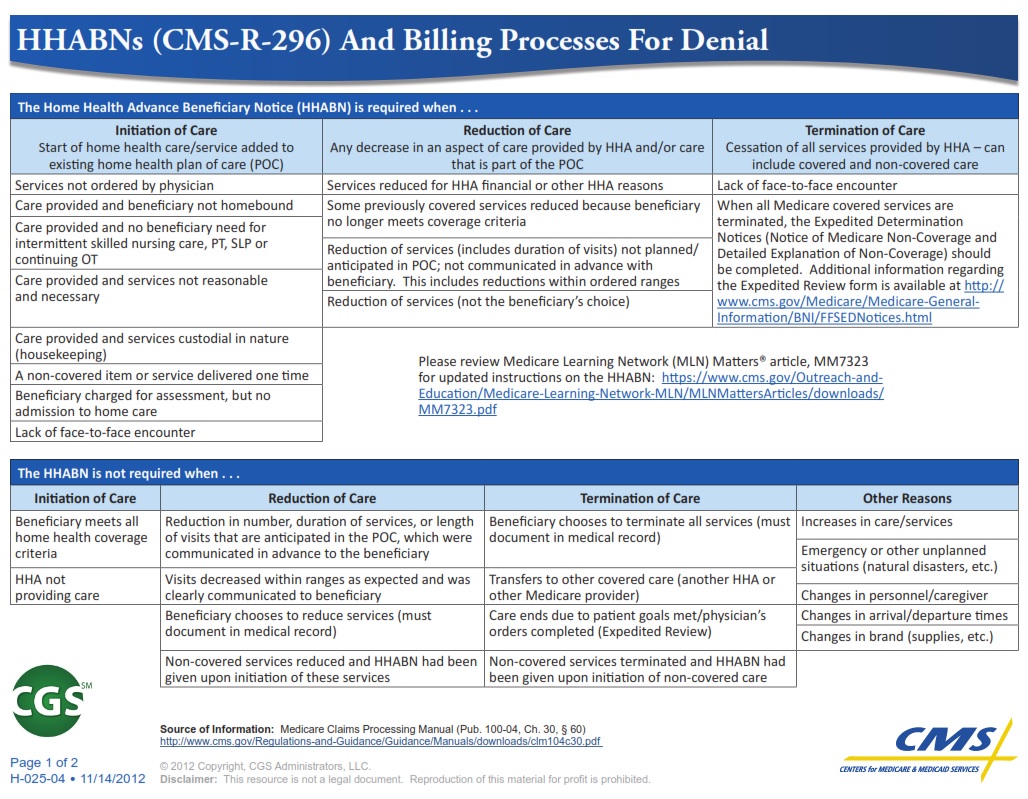
    The CMS R-296 form, also known as the Home Health Advance Beneficiary Notice (HHABN), plays a crucial role in informing Medicare beneficiaries of their financial responsibility for home health services. This form is issued by home health agencies to notify patients about situations where Medicare may not cover all or part of the services provided. By understanding the contents of the HHABN, patients can make informed decisions regarding their care and finances.

    One notable aspect of the CMS R-296 form is its emphasis on transparency and patient empowerment. It allows beneficiaries to have a clear understanding of their rights and responsibilities when it comes to accessing home health services under Medicare. Additionally, the HHABN serves as a tool for communication between providers and patients, fostering a collaborative approach to care that prioritizes mutual understanding and informed decision-making. By promoting transparency and accountability in healthcare delivery, the CMS R-296 form helps enhance patient-centered care in the realm of home health services.

    Where Can I Find a CMS R-296?

    If you are in search of a CMS R-296 form for Home Health Advance Beneficiary Notice, there are several places where you can find it. One option is to visit the official website of the Centers for Medicare & Medicaid Services (CMS), where they provide access to all standard forms including the CMS R-296. You can also contact your local Medicare Administrative Contractor (MAC) for assistance in obtaining the form.

    Another reliable source for finding the CMS R-296 form is through healthcare providers and agencies that specialize in home health services. They often have direct access to these forms and can provide you with the necessary documentation. Additionally, various online platforms may offer downloadable versions of the form, ensuring easy access for those in need of it. By utilizing these resources effectively, you can obtain the CMS R-296 form efficiently and proceed with any necessary administrative tasks related to home health care services.

    CMS R-296 – HOME HEALTH ADVANCE BENEFICIARY NOTICE

    CMS R-296, also known as the Home Health Advance Beneficiary Notice (HHABN), plays a crucial role in empowering patients with information and choice. This notice is designed to inform Medicare beneficiaries about their rights and options regarding home health services, ensuring transparency and informed decision-making. By offering clarity on coverage limitations or potential denial reasons, the HHABN enables patients to make informed choices about their care.

    Understanding the HHABN can help beneficiaries navigate the complexities of the healthcare system with confidence. It serves as a valuable tool for promoting patient autonomy and involvement in their care decisions. With clear messaging and detailed explanations provided through the HHABN, patients can actively participate in discussions about their treatment plans, enhancing overall satisfaction and outcomes within the home health setting.

    CMS R-296 Example

    CMS R-296 - Page 1 CMS R-296 - Page 2

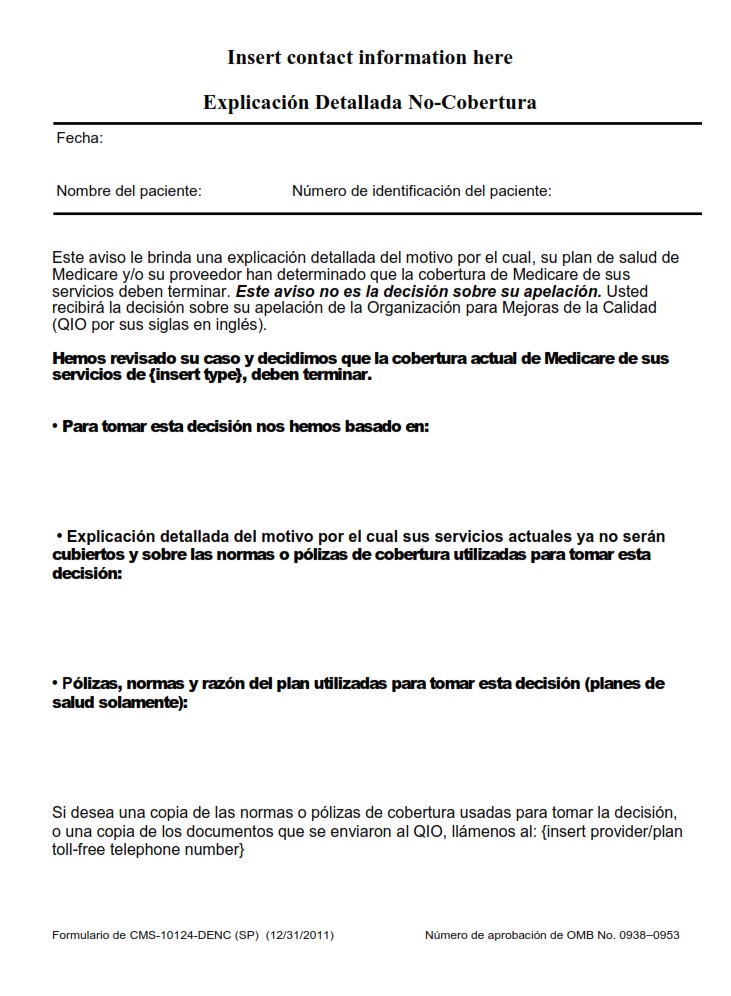
  • CMS 10095DENC – Detailed Explanation of Non-Coverage (Spanish)

    CMS 10095DENC – Detailed Explanation of Non-Coverage (Spanish)

    CMSFORM.ORGCMS 10095DENC – Detailed Explanation of Non-Coverage (Spanish) – Navigating the complex world of healthcare coverage can often feel like deciphering an intricate puzzle with missing pieces. In this age of constantly evolving policies and regulations, one particular code stands out as a beacon of clarity amidst the confusion: CMS 10095DENC. This seemingly cryptic combination of letters and numbers holds the key to understanding non-coverage in Medicare, shedding light on why certain services or treatments may not be reimbursed by insurance providers. Join us on a journey into the heart of this enigmatic code as we unravel its intricacies, explore its implications for both patients and healthcare providers, and ultimately empower you with the knowledge to navigate the labyrinthine landscape of healthcare coverage with confidence and clarity.

    Download CMS 10095DENC – Detailed Explanation of Non-Coverage

    [su_table responsive=”yes”]

    Form Number CMS 10095DENC
    Form Title Detailed Explanation of Non-Coverage (Spanish)
    Published 2006-12-01
    O.M.B. 0938-0910
    File Size 54 KB

    [/su_table]

    [download id=’1416′]

    What is a CMS 10095DENC?

    The CMS 10095DENC, also known as the Detailed Explanation of Non-Coverage, plays a crucial role in the healthcare industry by providing transparency and clarity on services that may not be covered by Medicare. This form serves as a communication tool between healthcare providers and patients, ensuring informed decision-making regarding treatment options and associated costs. While it may seem daunting at first glance, understanding the purpose and intricacies of the CMS 10095DENC is essential in navigating the complexities of insurance coverage.

    Through detailed explanations and specific justifications for non-coverage, the CMS 10095DENC empowers individuals to actively participate in their healthcare decisions. It promotes accountability and fosters discussions around alternative options or payment arrangements. By embracing this aspect of health insurance processes, both providers and patients can work together to ensure optimal care while respecting financial constraints. In essence, the CMS 10095DENC embodies transparency and patient-centric care in an ever-evolving healthcare landscape.

    Where Can I Find a CMS 10095DENC?

    If you’re on the hunt for a CMS 10095DENC form, your best bet is to visit the official Centers for Medicare & Medicaid Services (CMS) website. The form can typically be found in the Forms section, where you can search for it by entering the specific code or description. Another option is to reach out directly to your healthcare provider or insurance company, as they may also have access to this form and can provide you with a copy.

    In today’s digital age, many organizations also offer electronic versions of forms like the CMS 10095DENC for easy access and convenience. Online portals provided by healthcare institutions or insurance companies are worth exploring as well. Remember that having a clear understanding of non-coverage situations outlined in this form is crucial when navigating healthcare services and billing procedures, so make sure to familiarize yourself with its contents once you obtain it.

    CMS 10095DENC – Detailed Explanation of Non-Coverage

    CMS 10095DENC is a crucial document that provides a detailed explanation of non-coverage for Medicare beneficiaries. It outlines the specific reasons why certain services or treatments are not covered under the Medicare program, shedding light on the limitations and restrictions that patients may encounter. By understanding these non-coverage guidelines, both healthcare providers and patients can make informed decisions about their treatment options and avoid unexpected expenses.

    One key aspect highlighted in CMS 10095DENC is the importance of medical necessity when determining coverage eligibility. This documentation emphasizes the need for services to be medically necessary in order to be covered by Medicare, emphasizing the significance of evidence-based care in securing insurance benefits. Additionally, it serves as a tool for promoting transparency and accountability within the healthcare system, fostering clear communication between providers and patients about what services are deemed essential for their well-being. Understanding these nuances of non-coverage outlined in CMS 10095DENC can empower individuals to advocate for their health needs effectively while navigating the complexities of insurance policies.

    While discussions around non-coverage may seem daunting at first glance, documents like CMS 10095DENC serve as valuable resources that demystify the intricacies of insurance coverage. By familiarizing oneself with these guidelines and staying proactive in seeking clarification when needed, individuals can ensure they receive appropriate care while avoiding unnecessary financial burdens. Ultimately, this detailed explanation of non-coverage plays a vital role in shaping patient-provider interactions and promoting a more informed approach to healthcare decision-making.

    CMS 10095DENC Example

    CMS 10095DENC - (Spanish)

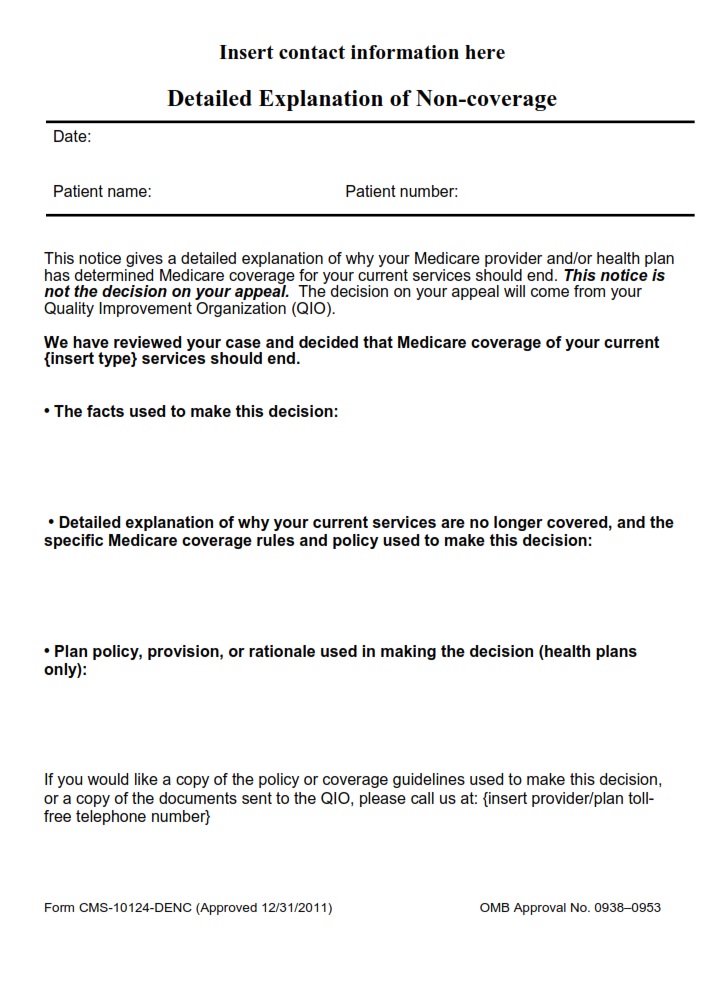
  • CMS 10095DENC – Detailed Explanation of Non-Coverage (English)

    CMS 10095DENC – Detailed Explanation of Non-Coverage (English)

    CMSFORM.ORGCMS 10095DENC – Detailed Explanation of Non-Coverage (English) – Navigating the world of healthcare coverage can often feel like deciphering a complex puzzle with ever-changing pieces. One such crucial piece is the CMS 10095DENC, a document shrouded in mystery for many individuals seeking clarity on non-coverage decisions. As we delve into the intricate details of this enigmatic form, we uncover a labyrinth of rules and regulations that determine what medical services are not covered by Medicare. From deciphering the cryptic language to understanding the underlying reasons behind non-coverage determinations, this article serves as a guiding light through the murky waters of healthcare bureaucracy. Join us on this journey of unraveling the complexities of CMS 10095DENC and gain a deeper insight into how your health care needs may be impacted by its provisions.

    Download CMS 10095DENC – Detailed Explanation of Non-Coverage

    [su_table responsive=”yes”]

    Form Number CMS 10095DENC
    Form Title Detailed Explanation of Non-Coverage (English)
    Published 2006-12-01
    O.M.B. 0938-0910
    File Size 12 KB

    [/su_table]

    [download id=’1417′]

    What is a CMS 10095DENC?

    CMS 10095DENC, also known as Detailed Explanation of Non-Coverage (DEN), plays a crucial role in the healthcare industry. It provides valuable information to patients about services that are not covered by Medicare or other insurance plans, helping them make informed decisions about their healthcare needs. Understanding the intricacies of CMS 10095DENC can empower individuals to explore alternative treatment options or seek out additional coverage through different avenues.

    By delving into the specifics of CMS 10095DENC, patients gain a deeper insight into the limitations and gaps in their current healthcare coverage. This knowledge allows them to proactively navigate potential out-of-pocket costs and make well-informed choices regarding their medical care. The transparency provided by CMS 10095DENC fosters a sense of empowerment among patients, enabling them to advocate for themselves and actively participate in decisions regarding their health and well-being.

    Where Can I Find a CMS 10095DENC?

    The CMS 10095DENC form, also known as the Detailed Explanation of Non-coverage, is a crucial document provided by the Centers for Medicare & Medicaid Services. While this form plays a significant role in informing beneficiaries about services that are not covered by Medicare, finding it can sometimes be a bit tricky. One reliable source to obtain the CMS 10095DENC form is through your healthcare provider or Medicare administrative contractor.

    Another option to access this important document is through the official Medicare website. By visiting the Forms section on the website, beneficiaries can easily search for and download the CMS 10095DENC form. This ensures that individuals have easy access to vital information regarding services that may not be covered under their Medicare plan, allowing them to make informed decisions about their healthcare options.

    CMS 10095DENC – Detailed Explanation of Non-Coverage (English)

    The CMS form 10095DENC, also known as a Detailed Explanation of Non-Coverage (DENC), plays a crucial role in providing beneficiaries with information about services that will not be covered by Medicare. By outlining the specific reasons for non-coverage, this form helps individuals understand why certain medical procedures or treatments may not be reimbursed. It serves as a transparency tool that empowers patients to make informed decisions about their healthcare and financial responsibilities.

    Receiving a DENC notification can be daunting for patients, but it also presents an opportunity for healthcare providers to engage in meaningful conversations with beneficiaries. By using the detailed information provided on the form, providers can discuss alternative treatment options, potential out-of-pocket costs, and ways to appeal the decision. This proactive approach not only enhances patient-provider communication but also contributes to a more patient-centered healthcare experience overall.

    CMS 10095DENC Example

    CMS 10095DENC

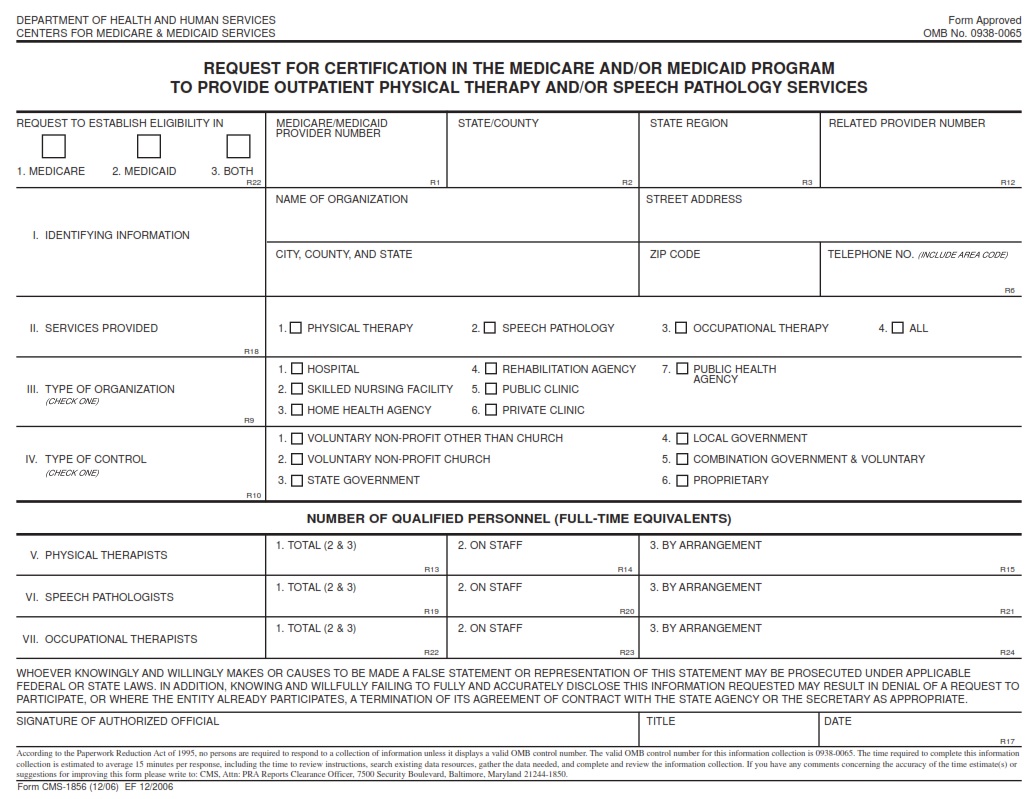
  • CMS 1856 – Request for Certification in the Medicare and/or Medicaid Program to Provide Outpatient Physical Therapy and/or Speech Pathology Services

    CMS 1856 – Request for Certification in the Medicare and/or Medicaid Program to Provide Outpatient Physical Therapy and/or Speech Pathology Services

    CMSFORM.ORGCMS 1856 – Request for Certification in the Medicare and/or Medicaid Program to Provide Outpatient Physical Therapy and/or Speech Pathology Services – In the ever-evolving landscape of healthcare, gaining certification to provide outpatient physical therapy and speech pathology services under the Medicare and Medicaid programs is a pivotal step for healthcare providers. CMS 1856 is the gateway through which these professionals can access this crucial certification. However, navigating the complex requirements and guidelines set forth by CMS 1856 can often feel like a daunting task, riddled with obstacles and uncertainties. This article aims to demystify the process, providing a comprehensive guide for aspiring providers looking to establish themselves in the realm of outpatient care. Join us as we unravel the intricacies of CMS 1856, shedding light on the path towards becoming a certified provider of essential therapy services in today’s healthcare landscape.

    Download CMS 1856 – Request for Certification in the Medicare and/or Medicaid Program to Provide Outpatient Physical Therapy and/or Speech Pathology Services

    [su_table responsive=”yes”]

    Form Number CMS 1856
    Form Title Request for Certification in the Medicare and/or Medicaid Program to Provide Outpatient Physical Therapy and/or Speech Pathology Services
    Published 2006-12-11
    O.M.B. 0938-0065
    File Size 34 KB

    [/su_table]

    [download id=’1418′]

    What is a CMS 1856?

    A CMS 1856 form is a crucial document for healthcare providers seeking certification to offer outpatient physical therapy and speech pathology services under Medicare or Medicaid. This form plays a vital role in ensuring that the organization meets the necessary criteria and standards set by these federal programs. By completing the CMS 1856 application accurately and thoroughly, providers demonstrate their commitment to quality care and compliance with regulatory requirements.

    The CMS 1856 process can be complex and time-consuming, requiring detailed information on facility operations, staffing qualifications, equipment availability, treatment protocols, and other essential data. Healthcare organizations must navigate this intricate process meticulously to secure certification and access reimbursement for services provided to Medicare or Medicaid beneficiaries. Successfully obtaining CMS 1856 certification signifies an organization’s capability to deliver high-quality outpatient therapy services while maintaining adherence to government regulations.

    Where Can I Find a CMS 1856?

    If you’re on the lookout for a CMS 1856 form to kickstart your journey towards certification in the Medicare and/or Medicaid program for outpatient physical therapy and speech pathology services, you’re in the right place. The first stop is the official Centers for Medicare & Medicaid Services (CMS) website, where you can easily access and download the CMS 1856 form along with detailed instructions on how to fill it out correctly. In addition to the CMS website, medical supply stores or specialty healthcare service providers may also carry these forms for your convenience.

    For those navigating the complex world of healthcare certifications, finding a reliable source for CMS 1856 forms is crucial. Consider reaching out to local healthcare organizations, professional associations, or even consulting with experienced practitioners in your field who have gone through this process before. Remember that having a clear understanding of where to find and how to properly utilize these forms is an essential first step towards achieving successful certification in providing outpatient physical therapy and speech pathology services under Medicare and/or Medicaid programs.

    CMS 1856 – Request for Certification in the Medicare and/or Medicaid Program to Provide Outpatient Physical Therapy and/or Speech Pathology Services

    In 1856, the introduction of CMS’s request for certification in the Medicare and/or Medicaid program was a groundbreaking development for providers seeking to offer outpatient physical therapy and speech pathology services. This move aimed to streamline the accreditation process, ensuring that only qualified facilities could participate in these essential healthcare programs. The stringent requirements set by CMS required facilities to meet specific criteria concerning staff qualifications, treatment protocols, and quality standards.

    For providers, gaining certification under CMS 1856 meant enhanced credibility within the healthcare industry. It signified a commitment to excellence in delivering physical therapy and speech pathology services while complying with rigorous regulatory standards. Moreover, certification opened doors to increased reimbursement opportunities through Medicare and Medicaid, ultimately benefiting both providers and patients alike. Overall, CMS 1856 marked a significant milestone in ensuring quality care delivery for those in need of outpatient rehabilitation services.

    CMS 1856 Example

    CMS 1856 - Page 1 CMS 1856 - Page 2

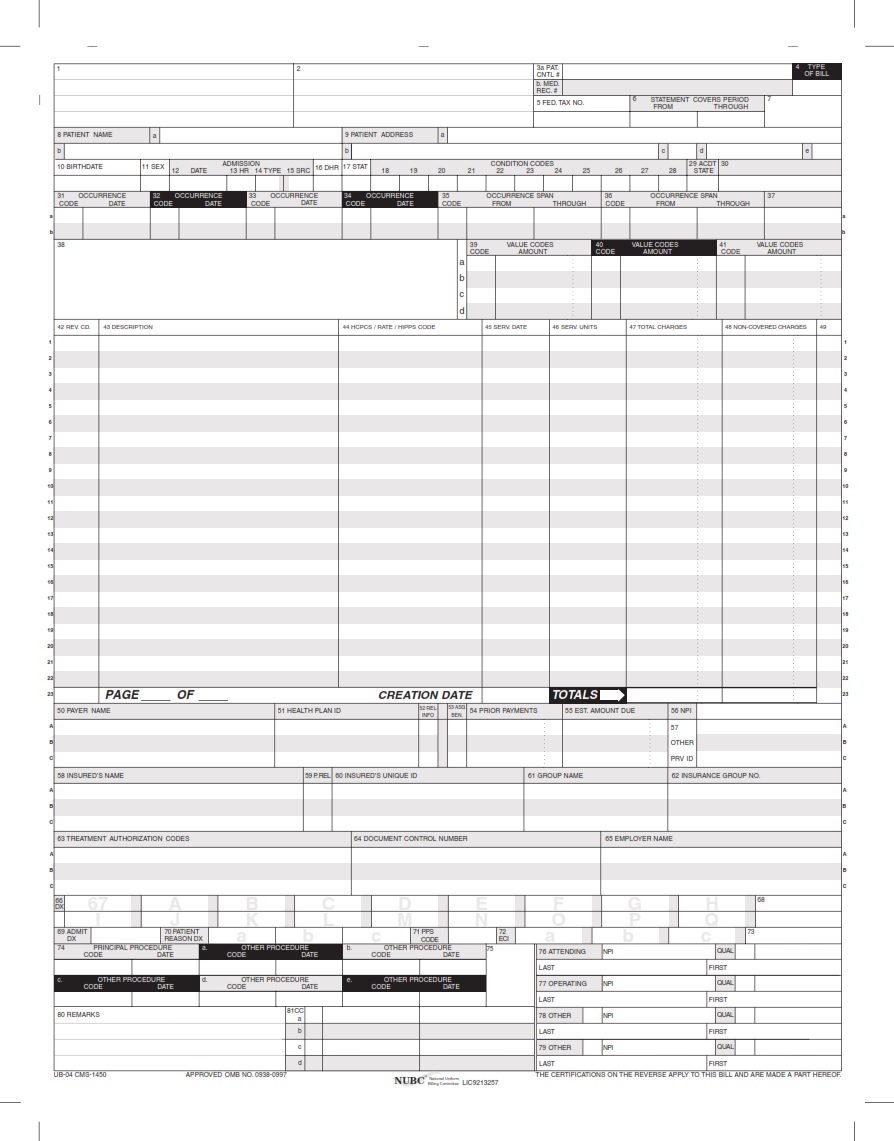
  • CMS 1450 – UB-04 Uniform Bill

    CMS 1450 – UB-04 Uniform Bill

    CMSFORM.ORGCMS 1450 – UB-04 Uniform Bill – In the intricate world of healthcare billing, the CMS 1450 – UB-04 Uniform Bill stands as a beacon of standardized documentation and efficiency. This universally recognized form serves as the backbone of hospital billing practices, encapsulating vital patient information in a concise and structured format. Imagine a document that not only tells the story of a patient’s medical journey but also unlocks the financial intricacies of their care. From complex procedures to routine check-ups, each line on the UB-04 bill weaves together a narrative that transcends mere numbers and codes. Join us as we delve into the fascinating realm of healthcare billing and uncover how this seemingly mundane form plays a pivotal role in shaping our understanding of medical costs and services.

    Download CMS 1450 – UB-04 Uniform Bill

    [su_table responsive=”yes”]

    Form Number CMS 1450
    Form Title UB-04 Uniform Bill
    Published 2007-03-01
    O.M.B. 0938-0997
    File Size 537 KB

    [/su_table]

    [download id=’1419′]

    What is a CMS 1450?

    A CMS 1450 form, also known as the UB-04 Uniform Bill, is a standardized medical billing form used by hospitals and healthcare facilities to submit claims for reimbursement. This form includes detailed information about the services provided to a patient, such as treatments, procedures, and medications. It serves as a crucial document in the healthcare industry, ensuring accurate billing and payment processing.

    One key feature of the CMS 1450 form is its ability to accommodate various types of services and treatments offered by different healthcare providers. This flexibility allows for comprehensive documentation of patient care, leading to more efficient billing processes and improved communication between providers and insurance companies. Understanding how to properly complete a CMS 1450 form is essential for healthcare professionals to ensure prompt reimbursement and maintain compliance with billing regulations.

    Where Can I Find a CMS 1450?

    When searching for a CMS 1450 form, also known as the UB-04 Uniform Bill, there are various sources you can explore. One common avenue is through online medical supply stores that specialize in providing healthcare forms and documents. These stores often have a range of CMS forms available for purchase, including the CMS 1450.

    Another option is to contact your local hospital or healthcare provider’s billing department. They may be able to provide you with a copy of the form or direct you to where you can obtain one. Additionally, government websites such as the Centers for Medicare & Medicaid Services (CMS) may offer digital versions of the CMS 1450 form for download.

    Overall, finding a CMS 1450 form can involve some research and effort but knowing where to look can streamline the process. Whether online or through healthcare facilities, these resources can help individuals access this essential billing document easily when needed.

    CMS 1450 – UB-04 Uniform Bill

    When it comes to healthcare billing, the CMS 1450 form, also known as the UB-04 Uniform Bill, plays a crucial role in streamlining documentation and reimbursement processes. This standardized form is used by hospitals and other healthcare facilities to bill Medicare and Medicaid for services provided to patients. What sets the UB-04 apart is its detailed structure, which allows for clear itemization of services rendered and associated costs. By utilizing this form, providers can ensure accurate billing information is transmitted to payers, minimizing errors and speeding up the payment process.

    One key advantage of the UB-04 form is its flexibility in accommodating various types of services and procedures. With designated fields for different aspects of care such as room and board charges, pharmacy services, surgical procedures, and more, providers can easily capture all relevant information on a single bill. This comprehensive approach not only simplifies billing but also helps in tracking patient care data for administrative purposes. Additionally, the UB-04’s standardized format promotes consistency across different healthcare settings, making it easier for payers to review claims efficiently and accurately.

    CMS 1450 Example

    CMS 1450 - Page 1 CMS 1450 - Page 2

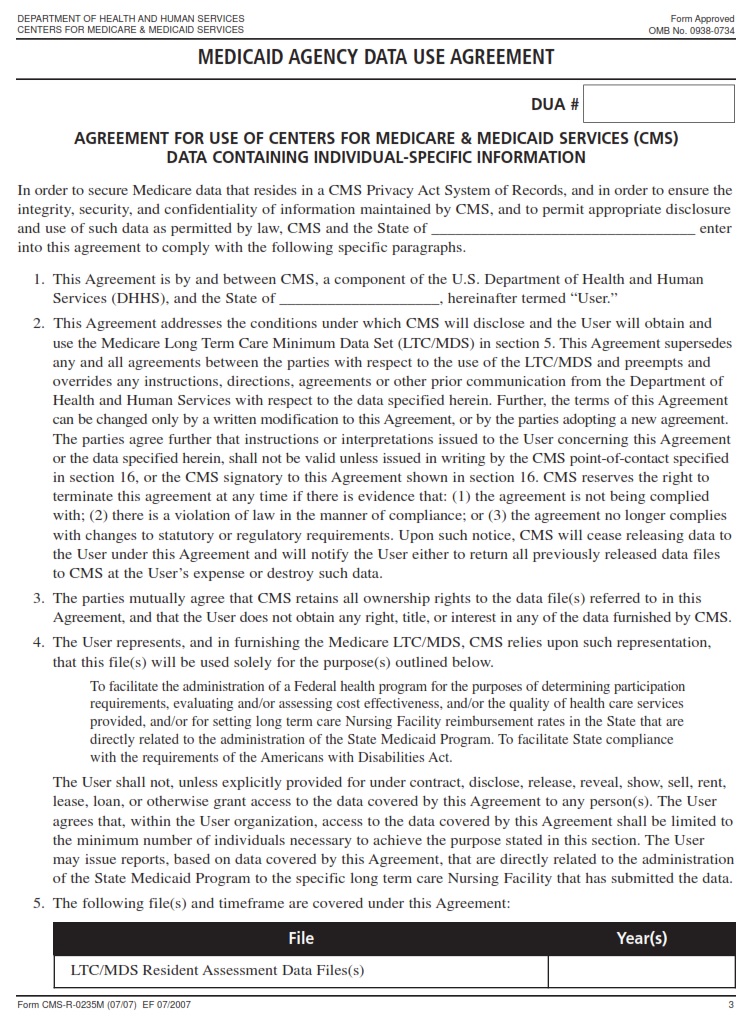
  • CMS R-0235M – Medicaid Agency Data Use Agreement

    CMS R-0235M – Medicaid Agency Data Use Agreement

    CMSFORM.ORGCMS R-0235M – Medicaid Agency Data Use Agreement – In the intricate web of healthcare data management, one document stands as a pivotal beacon guiding the exchange and utilization of sensitive information within Medicaid agencies: CMS R-0235M – the Medicaid Agency Data Use Agreement. This seemingly mundane agreement holds immense power, shaping how vital patient data is shared, protected, and leveraged to drive improved outcomes and efficiency in the ever-evolving landscape of healthcare administration. As digital footprints grow deeper in the realm of medical records, understanding and adhering to this agreement becomes paramount not only for compliance but also for fostering trust among stakeholders who navigate the labyrinthine corridors of Medicaid operations. Join us on an exploration into this indispensable document that serves as both a shield and a key to unlocking the potential benefits of data-driven decision-making in healthcare delivery.

    Download CMS R-0235M – Medicaid Agency Data Use Agreement

    [su_table responsive=”yes”]

    Form Number CMS R-0235M
    Form Title Medicaid Agency Data Use Agreement
    Published 2007-07-01
    O.M.B. 0938-0734
    File Size 175 KB

    [/su_table]

    [download id=’1420′]

    What is a CMS R-0235M?

    The CMS R-0235M, also known as the Medicaid Agency Data Use Agreement, is a critical document that governs the use and sharing of data among Medicaid agencies. This agreement establishes the framework for how sensitive information relating to Medicaid beneficiaries can be accessed and utilized. It serves as a safeguard to protect the privacy and confidentiality of patient data while allowing for necessary data exchanges among authorized entities.

    One key aspect of the CMS R-0235M is its emphasis on ensuring compliance with federal regulations such as HIPAA to prevent unauthorized access or misuse of Medicaid data. By outlining specific guidelines and requirements for data usage, this agreement helps maintain the integrity and security of Medicaid systems. Additionally, it promotes transparency in data-sharing practices, fostering trust between agencies and stakeholders involved in healthcare delivery.

    In essence, the CMS R-0235M plays a pivotal role in facilitating secure data exchanges within the Medicaid ecosystem while upholding standards of privacy protection. Its provisions are designed to strike a balance between enabling efficient information sharing for improved care coordination and safeguarding sensitive patient information from unauthorized disclosure. Compliance with this agreement is essential for maintaining the credibility and effectiveness of Medicaid programs across states.

    Where Can I Find a CMS R-0235M?

    If you are searching for a CMS R-0235M form, your best bet is to visit the official website of the Centers for Medicare & Medicaid Services (CMS). The form may be available for download on their website under the section related to Medicaid Agency Data Use Agreements. Additionally, reaching out directly to your state’s Medicaid agency or local healthcare provider may also provide access to this specific form.

    Another avenue to explore in your quest for the CMS R-0235M is contacting relevant third-party organizations that specialize in Medicaid data agreements. These organizations often have resources and expertise in navigating federal forms and can assist you in obtaining the necessary documentation efficiently. Overall, persistence and proactive communication with various stakeholders will likely lead you to successfully securing a copy of the CMS R-0235M form tailored to your specific needs.

    In conclusion, while finding the CMS R-0235M form may require some effort and research on your part, being proactive and leveraging multiple channels of information dissemination will greatly enhance your chances of obtaining this essential document. Take advantage of online resources, government agencies, and specialized organizations dedicated to healthcare data management to streamline your search process effectively.

    CMS R-0235M – Medicaid Agency Data Use Agreement

    As Medicaid agencies aim to improve data management and sharing processes, CMS R-0235M – Medicaid Agency Data Use Agreement emerges as a crucial tool in fostering collaboration and information exchange. This agreement sets the framework for securely sharing sensitive healthcare data while maintaining confidentiality and compliance with regulations. By outlining clear guidelines on data access, storage, and usage, CMS R-0235M ensures that Medicaid agencies can leverage valuable insights for enhancing program efficiency and effectiveness.

    Through the implementation of this agreement, Medicaid agencies can streamline their data governance practices and enhance interoperability among different systems. The structured approach provided by CMS R-0235M not only facilitates better decision-making but also promotes transparency in data handling processes. Furthermore, by promoting standardized procedures for data sharing, this agreement helps reduce duplication of efforts and ensures that resources are directed towards improving patient outcomes and overall system performance.

    CMS R-0235M Example

    CMS R-0235M - Page 1 CMS R-0235M - Page 2